
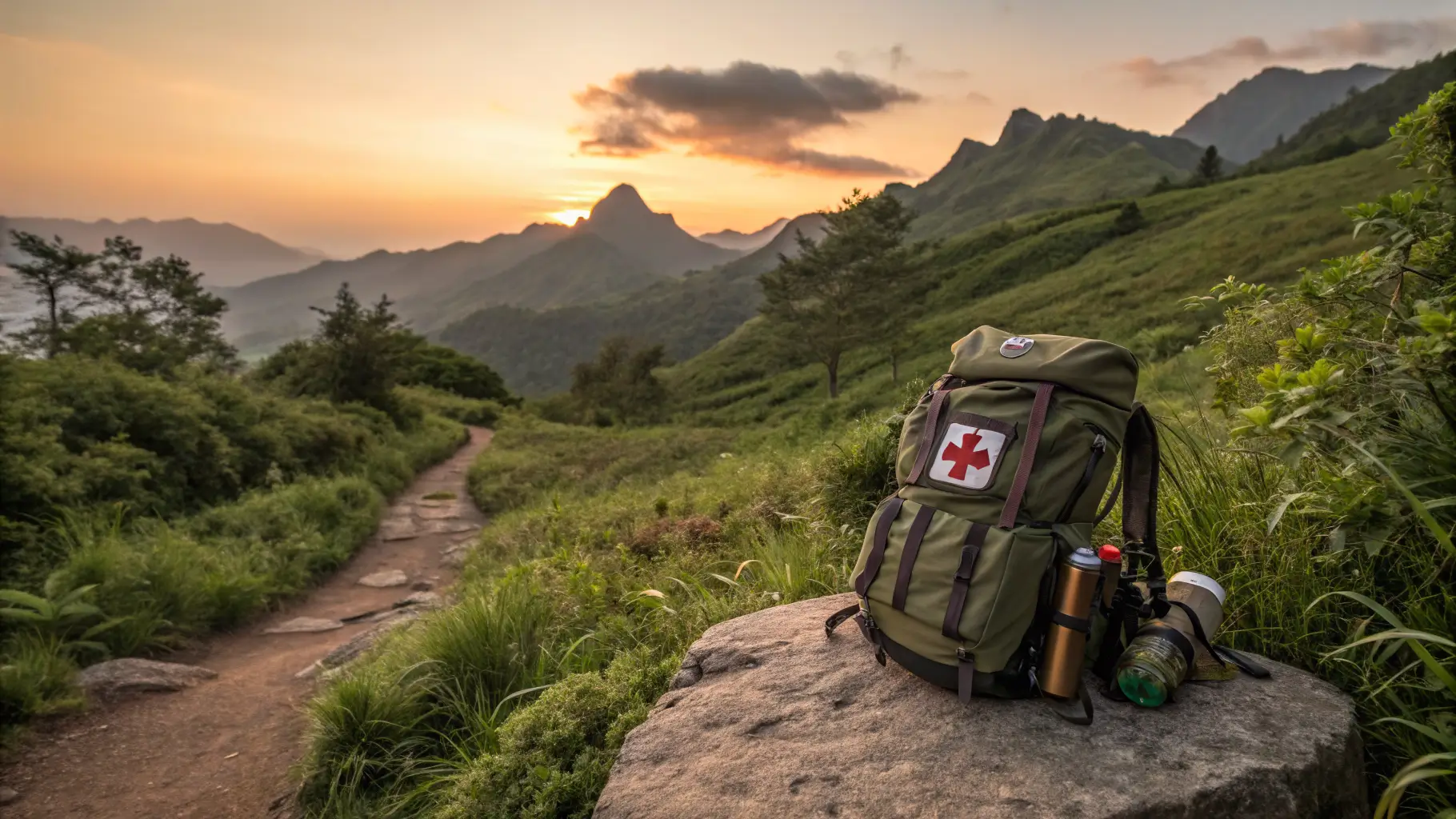
How to Pack Your Backpacking First Aid Kit List: 9 Essentials
Table of Contents
The One Thing Most Hikers Forget Until It’s Too Late
Picture this: you’re three miles deep into a remote trail, the sun is setting behind the ridgeline, and someone in your group twists an ankle on a loose rock. Your heart rate spikes — not from the altitude, but from the sudden realization that you’re not sure what’s in your pack beyond snacks and a rain jacket.
It happens more often than you’d think. According to the National Park Service, thousands of search-and-rescue operations are launched every year for hikers who were underprepared for emergencies. A well-stocked backpacking first aid kit list can mean the difference between a minor inconvenience and a genuine wilderness emergency.
This guide is your no-fluff, field-tested breakdown of exactly what to carry, why each item matters, and how to use them when it counts. Whether you’re heading out for a weekend trip or a multi-week thru-hike, you’ll walk away knowing how to build the smartest, leanest medical kit for your adventure.
Why a Purpose-Built Backpacking First Aid Kit Matters
You might already own a basic first aid kit sitting in your bathroom cabinet or car — and that’s great. But a home kit and a trail kit are two very different things. Trail medicine is about managing injuries in austere environments, sometimes miles from the nearest road, without the option of running to a pharmacy.
A proper backpacking first aid kit is designed around three principles:
- Weight efficiency — every ounce matters when you’re carrying it on your back
- Trail-specific injuries — blisters, sprains, altitude sickness, and insect stings are far more common in the backcountry than, say, a paper cut
- Self-sufficiency — you need supplies that empower you to manage a situation until professional help arrives
Pre-packaged kits from brands like Adventure Medical Kits or REI are a solid starting point, but most experienced backpackers customize their kit based on trip length, group size, and terrain. Let’s build yours from the ground up.
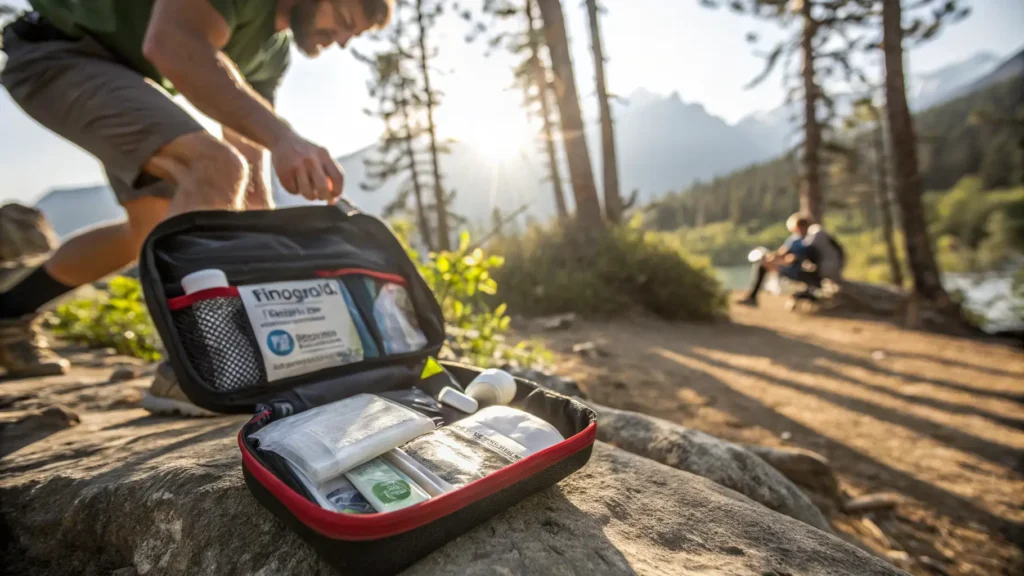
The 9 Essentials for Your Backpacking First Aid Kit List
1. Wound Care Supplies
Cuts, scrapes, and puncture wounds are the most common trail injuries. Your wound care supplies need to cover cleaning, protecting, and closing a wound until you can get proper care.
What to include:
- Alcohol wipes or antiseptic towelettes (for cleaning wounds)
- Antibiotic ointment packets (like Bacitracin or Neosporin)
- Assorted adhesive bandages in multiple sizes
- Non-stick sterile gauze pads (at least 4×4 inches)
- Medical tape (a few feet of athletic or medical-grade tape)
- Butterfly closure strips or Steri-Strips (for closing deeper cuts)
- Irrigation syringe (for flushing debris from wounds)
One pro tip: saline solution or even clean water flushed under pressure is more effective at cleaning a wound than antiseptic alone. A 20ml syringe with an 18-gauge tip delivers ideal irrigation pressure.
2. Blister Treatment
Blisters are the single most common reason hikers cut their trips short. A blister kit is not a luxury — it’s mission-critical.
What to include:
- Moleskin or Molefoam sheets (cut to fit)
- Hydrocolloid blister bandages (like Band-Aid Blister cushions)
- Leukotape P (aggressive adhesive tape that stays put even when wet)
- A small pair of scissors or a safety pin (sterilized, for draining blisters)
Apply moleskin at the first sign of a “hot spot” — that burning sensation before the blister forms. Catching it early is far easier than managing a full blister on day three.
3. Pain Relief and Fever Reducers
Over-the-counter medications are a cornerstone of any backcountry first aid kit. They manage pain, reduce inflammation, and control fever — all things that can deteriorate quickly without intervention.
What to include:
- Ibuprofen (Advil/Motrin) — anti-inflammatory and pain reliever
- Acetaminophen (Tylenol) — pain and fever reducer, easier on the stomach
- Aspirin — useful for suspected cardiac events
- Antacids (like Tums) — for upset stomachs from trail food or water treatment
Pack medications in clearly labeled waterproof bags or small hard containers. Heat and humidity can degrade pills over time, so check expiration dates before every trip.
4. Allergic Reaction and Insect Sting Treatments
From bee stings to contact with poison ivy, allergic reactions in the backcountry range from mildly irritating to life-threatening. You need to be prepared for the full spectrum.
What to include:
- Diphenhydramine (Benadryl) — for mild to moderate allergic reactions
- Epinephrine auto-injector (EpiPen) — if anyone in your group has a known severe allergy
- Hydrocortisone cream — for rashes, bug bites, and contact dermatitis
- Tweezers — for removing bee stingers or splinters
If you or a hiking partner carries an EpiPen, make sure multiple people in the group know where it is and how to use it. An anaphylactic reaction in the wilderness is a true emergency.
5. Elastic Bandages and Splinting Supplies
Rolled ankle? Knee instability? A good elastic bandage is one of the most versatile tools in your backpacking first aid kit. It compresses, supports, and can even serve as a makeshift splint wrap.
What to include:
- One 3-inch elastic bandage (ACE wrap)
- SAM splint (lightweight, moldable aluminum splint)
- Trekking poles — these double brilliantly as improvised splints
A SAM splint weighs next to nothing and can be molded to support a wrist, ankle, or finger. For multi-day trips or trips in technical terrain, it earns its place in your pack without question.
6. Gastrointestinal Medications
Stomach troubles in the backcountry can bring a trip to a grinding halt. Whether it’s from questionable water, trail food, or unexpected illness, GI issues are extremely common among backpackers.
What to include:
- Loperamide (Imodium) — for controlling diarrhea
- Bismuth subsalicylate (Pepto-Bismol tablets) — for nausea and upset stomach
- Oral rehydration salts (ORS) — to prevent dehydration from vomiting or diarrhea
Dehydration from GI distress is a real danger in the backcountry. Oral rehydration salts restore electrolytes far more effectively than plain water, especially after prolonged vomiting or diarrhea.
7. Bleed Control and Emergency Wound Management
For serious bleeding situations — the kind that goes beyond a bandage — you need dedicated hemostatic tools. This is the part of your kit you hope you never use, but you’d be extremely glad you packed it.
What to include:
- Hemostatic gauze (like QuikClot or Combat Gauze)
- Israeli bandage (pressure bandage) — for major wound management
- Tourniquet (a CAT or SOFTT-W tourniquet is the standard of care)
- Nitrile gloves — always protect yourself from bloodborne pathogens
If you’re heading into remote terrain, seriously consider taking a Wilderness First Aid (WFA) or Wilderness First Responder (WFR) course. These supplies are only effective when you know how to use them correctly.
8. Eye, Ear, and Dental Care
These are the categories most hikers forget entirely — until they’re blinking sand out of their eye or nursing a cracked filling at mile fifteen.
What to include:
- Sterile eye wash or saline drops
- Eye patches (for protecting an injured or irritated eye)
- Dental repair kit (temporary filling material like Dentemp)
- Cotton balls — useful for ear and wound care
A dental emergency might sound low-stakes, but a lost crown or cracked tooth on a long thru-hike can be severely painful and affect your ability to eat and maintain energy. A temporary dental kit buys you time to get proper care.
9. Emergency Tools and Reference Materials
The final category isn’t about medicine — it’s about the tools and knowledge that bring everything else together.
What to include:
- Medical scissors or trauma shears (to cut clothing or bandages)
- A digital or oral thermometer
- A signal mirror or personal locator beacon (PLB) for remote emergencies
- Waterproof first aid reference guide (Wilderness Medicine pocket guides work great)
- Emergency contact information and personal medical history card
- Small flashlight or headlamp (separate from your main one if possible)
Knowledge is your most important tool. Consider laminating a quick-reference card with basic protocols for treating shock, severe bleeding, fractures, and allergic reactions. In a high-stress situation, having a checklist in hand is invaluable.
Backpacking First Aid Kit: Weight and Size Breakdown
One of the biggest concerns for backpackers is weight. Here’s a general breakdown to help you pack smart:
| Category | Estimated Weight | Priority Level | Best For |
|---|---|---|---|
| Wound Care Supplies | 2–4 oz | Essential | All trips |
| Blister Treatment | 1–2 oz | Essential | All trips |
| Pain Relief Medications | 1–2 oz | Essential | All trips |
| Allergy and Sting Care | 1–3 oz | High | All trips, critical for allergy-prone hikers |
| Elastic Bandages and Splints | 3–5 oz | High | Technical terrain, remote trips |
| GI Medications | 1–2 oz | High | Multi-day trips |
| Bleed Control Tools | 4–8 oz | Critical | Remote and technical trips |
| Eye, Ear, and Dental Care | 1–2 oz | Moderate | Extended trips |
| Emergency Tools and Reference | 2–4 oz | High | All trips |
A well-organized backpacking first aid kit for a solo weekend trip should weigh roughly 8–12 ounces. A group kit for a 7-day backcountry expedition might weigh 1.5–2 pounds. The key is scaling appropriately to your specific situation.
How to Organize and Store Your Trail First Aid Kit
Organization can be just as important as the supplies themselves. In an emergency, you don’t have time to dig through a jumbled bag looking for gauze.
- Use a dedicated bag: A bright-colored, clearly labeled stuff sack or waterproof roll keeps everything together and easy to spot
- Organize by category: Group wound care, medications, and tools separately so you can grab what you need fast
- Use small zip-lock bags: Waterproof and lightweight, perfect for grouping similar items
- Keep it accessible: Store your kit where you can reach it quickly — an outer hip belt pocket or the top of your pack are ideal
- Check and restock after every trip: Expired medications and depleted supplies are a common and avoidable problem
Customizing Your Kit for Different Trip Types
Day Hikes vs. Multi-Day Backpacking
For a day hike, a minimalist kit with blister care, wound supplies, medications, and an emergency blanket is usually sufficient. For overnight and multi-day backpacking trips, you’ll want the full backpacking first aid kit list outlined above, scaled to your group size.
Solo Travel vs. Group Travel
When traveling with a group, share the weight by distributing kit components. Assign one person as the primary “medic” and make sure everyone knows where the kit is stored. For solo travel, you’re carrying everything yourself — prioritize ruthlessly and know how to use every item.
High Altitude and Remote Wilderness
For high-altitude trips, consider adding acetazolamide (Diamox, prescription required) for altitude sickness prevention, and expand your emergency communication tools to include a satellite messenger like a Garmin inReach. Remote wilderness trips also justify carrying a more comprehensive bleed control setup.
Key Takeaways
- A purpose-built backpacking first aid kit list differs significantly from a home or car kit — it’s designed for trail-specific injuries and self-sufficiency
- The nine essential categories are wound care, blister treatment, pain relief, allergy care, splinting, GI medications, bleed control, dental/eye care, and emergency tools
- Weight and organization matter as much as content — keep your kit lean, accessible, and logically organized
- Scale your kit to your trip length, group size, and terrain type
- Knowledge amplifies every item in your kit — wilderness first aid training is strongly recommended for serious backpackers
- Check expiration dates and restock your kit after every single trip
Frequently Asked Questions
What should be in a backpacking first aid kit list for beginners?
For beginners, your backpacking first aid kit list should cover the basics: adhesive bandages, antiseptic wipes, antibiotic ointment, blister pads, ibuprofen or acetaminophen, an elastic bandage, tweezers, and nitrile gloves. As you gain experience and tackle more remote terrain, you can expand your kit to include hemostatic gauze, SAM splints, and prescription medications.
How heavy should a backpacking first aid kit be?
A solo weekend backpacking first aid kit should weigh between 8 and 12 ounces. A comprehensive kit for a group on a multi-day remote trip may weigh 1.5 to 2 pounds. The goal is finding the balance between preparedness and not overloading your pack.
Should I buy a pre-made kit or build my own?
Pre-made kits like those from Adventure Medical Kits are a great starting framework, but most experienced backpackers customize theirs based on personal medical needs, trip length, and group size. Building your own kit gives you full control over what goes in and ensures you actually know how to use every item.
How often should I replace items in my backpacking first aid kit?
You should inspect and restock your kit after every trip. Check expiration dates on all medications at least once a year. Replace used or opened items immediately after returning from a trip so your kit is always ready for the next adventure.
Is a tourniquet necessary in a backpacking first aid kit?
For backcountry and remote wilderness trips, yes — a tourniquet is a critical addition. Severe arterial bleeding can cause death within minutes, and a proper tourniquet like a CAT (Combat Application Tourniquet) can be life-saving. However, it should only be used with proper training.
What medications should I include in my backpacking first aid kit?
Core medications for your backpacking first aid kit include ibuprofen, acetaminophen, diphenhydramine (Benadryl), loperamide (Imodium), antacids, and oral rehydration salts. Those with known severe allergies should carry a prescription EpiPen. For high-altitude trips, consult your doctor about acetazolamide for altitude sickness prevention.
How do I treat blisters on the trail?
At the first sign of a hot spot, stop and apply moleskin, Leukotape, or a hydrocolloid bandage before a blister fully forms. If a blister has already developed, clean the area with antiseptic, drain it with a sterilized needle if large and painful, apply antibiotic ointment, and cover it with a non-stick dressing and medical tape. Never remove the roof of the blister — it protects against infection.
Do I need wilderness first aid training to use a backpacking first aid kit?
You don’t need formal training to benefit from a first aid kit, but having at least a basic Wilderness First Aid (WFA) certification dramatically increases your effectiveness in an emergency. For anyone who backcountry hikes regularly, a WFA or Wilderness First Responder (WFR) course is one of the best investments you can make in your outdoor safety.
Conclusion
Building the right backpacking first aid kit isn’t about packing every possible supply — it’s about packing the right supplies thoughtfully, organizing them well, and knowing how to use them confidently when it matters most. The nine essential categories in this guide give you a solid, field-proven framework to work from, whether you’re planning your first overnight trip or your fiftieth wilderness expedition.
The trail rewards preparation. Blisters, sprains, allergic reactions, and unexpected cuts are part of backcountry life — but none of them have to end your adventure or turn into a crisis when you’re equipped and informed. Your backpacking first aid kit list is one of the most personal pieces of gear you’ll carry, so take the time to build it right, keep it current, and understand every item inside it.
Stay curious, stay prepared, and get out there with confidence knowing that whatever the trail throws at you, you’re ready for it.
Ready to Hit the Trail Prepared?
Start building your personalized backpacking first aid kit today — review the nine essential categories above, audit what you already own, and fill in the gaps before your next adventure. If you found this guide helpful, share it with your hiking crew so everyone on the trail is as prepared as you are.