How Saving Money on Campsite Fees Can Enhance Your Outdoor Adventures
Table of Contents
Your Camping Budget Is Holding You Back More Than You Realize
Here’s a number that might surprise you: the average American family spends over $1,000 on a single camping trip when you factor in gear, food, fuel, and campsite fees. For many outdoor enthusiasts, those nightly campsite costs quietly drain the adventure fund before the trip even begins. But what if saving money on campsite fees was actually the key to unlocking more trips, longer stays, and richer experiences in the wild?
This isn’t about roughing it harder or sacrificing comfort. It’s about spending smarter so you can spend more time outside. In this guide, you’ll discover practical, proven strategies for cutting campsite costs — from free camping methods to membership programs, reservation hacks, and off-season timing. Whether you’re a weekend warrior or a full-time van lifer, there’s something here that will stretch your camping budget further than you thought possible.
Why Campsite Fees Have Gotten So Expensive
Before diving into solutions, it helps to understand the problem. Campsite fees at national parks, state parks, and private campgrounds have risen significantly over the past decade. The National Park Service has increased fees at many popular campgrounds, with some sites now costing $35 to $50 per night. Private resort-style campgrounds can charge $60 to $100 or more.
Increased demand is the biggest driver. Post-pandemic outdoor recreation surged, and campgrounds responded by raising prices to manage crowds and fund infrastructure improvements. The result? Camping — once considered an affordable alternative to hotels — can now rival the cost of budget lodging.
This makes saving money on campsite fees not just a frugal preference but a genuine necessity for anyone who wants to camp frequently without burning through their savings.
The Big Picture: How Campsite Savings Amplify Your Adventures
Think about what saving even $20 to $30 per night actually means in practice. Over a two-week road trip, that’s $280 to $420 back in your pocket. That money could fund your food for the entire trip, cover fuel for extra miles of exploration, or go toward a piece of gear you’ve been eyeing for months.
Saving money on campsite fees doesn’t just reduce expenses — it multiplies possibilities. More nights in the field. More destinations. More freedom to say yes when a fellow camper tells you about a hidden trail three valleys over.
Top Strategies for Saving Money on Campsite Fees
1. Embrace Free Camping on Public Lands
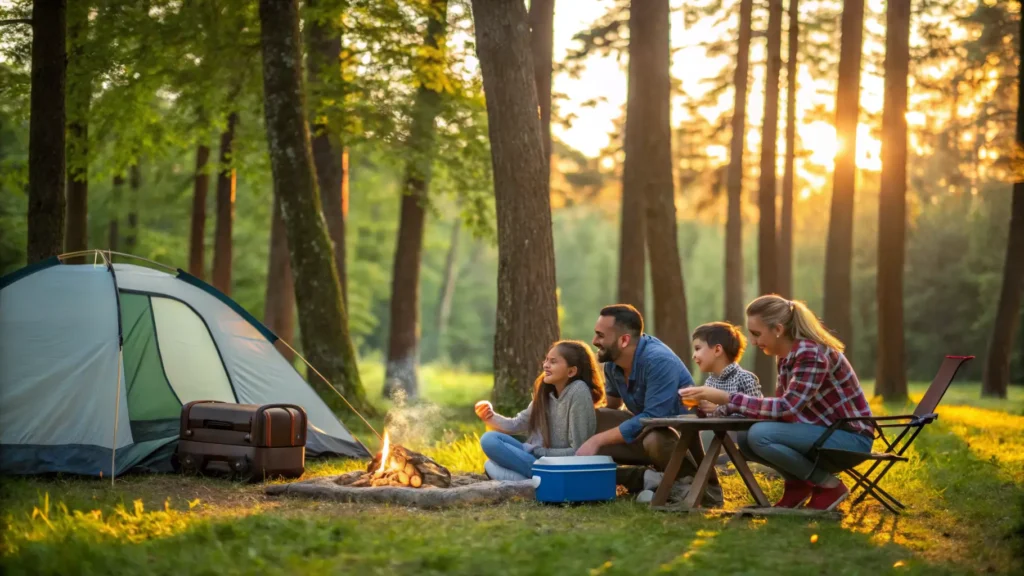
The United States has over 640 million acres of public land managed by the Bureau of Land Management (BLM), the U.S. Forest Service, and other agencies. On most of this land, dispersed camping — camping outside of designated campgrounds — is completely free.
Dispersed camping means setting up camp on undeveloped land, typically at least 200 feet from water sources, trails, and roads. You won’t get picnic tables or fire rings, but you will get solitude, stunning scenery, and zero nightly fees.
- BLM land: Covers large portions of the West, including Nevada, Utah, Colorado, New Mexico, and Arizona
- National Forests: Dispersed camping is permitted in most areas unless posted otherwise
- Grasslands: National Grasslands in the Great Plains offer free camping opportunities often overlooked by most campers
Use the app Campendium, The Dyrt, or FreeRoam to find free camping spots near your destination. You can also download official BLM maps or visit the local ranger district office for guidance.
2. Invest in an America the Beautiful Pass
If you camp at federal sites even a few times a year, the America the Beautiful — National Parks and Federal Recreational Lands Pass is one of the smartest investments you can make. At $80 per year, it covers entrance fees at over 2,000 federal recreation sites, including all national parks.
While the pass doesn’t cover campsite fees directly, eliminating entrance fees — which can run $25 to $35 per vehicle per visit — frees up your camping budget considerably. Some federal campgrounds also offer a 50% discount on camping fees to pass holders, though this varies by location.
If you’re 62 or older, the Senior Pass is available for a lifetime fee of $80 or an annual fee of $20, making it one of the best deals in outdoor recreation.
3. Time Your Trips Strategically
Shoulder season camping is one of the most underutilized tactics for saving money on campsite fees. Many campgrounds charge lower rates in spring and fall compared to peak summer months. You also benefit from thinner crowds, cooler temperatures, and more site availability.
Consider these timing advantages:
- Late September to early November: Fall foliage, fewer crowds, reduced fees at many private campgrounds
- March to mid-May: Wildflower season in the Southwest, mild temperatures, pre-peak pricing
- Weekdays vs. weekends: Some private campgrounds offer lower rates Monday through Thursday
Avoiding major holidays like Memorial Day, July 4th, and Labor Day weekend can save you both money and the frustration of packed campgrounds.
4. Join Camping Membership Programs
Several membership programs offer dramatic discounts on campsite fees. These are worth serious consideration if you camp more than 10 to 15 nights per year.
| Program | Annual Cost | Key Benefit | Best For |
|---|---|---|---|
| Thousand Trails | $500–$700 | Free camping at 190+ campgrounds | Frequent campers with hookups |
| Passport America | ~$44 | 50% off at 1,900+ campgrounds | Budget-conscious RV campers |
| Good Sam Club | ~$30 | 10% off at 2,000+ parks | RV travelers seeking wide coverage |
| KOA Value Kard Rewards | ~$30 | 10% off + points at KOA locations | Campers who use KOA regularly |
| Harvest Hosts | ~$99 | Free camping at farms, wineries, breweries | Self-contained RVs and van lifers |
Running the numbers before committing is essential. If a membership costs $99 but saves you $20 per night, you only need five nights to break even. After that, every night is pure savings.
5. Use First-Come, First-Served Campgrounds
Reservation-based campgrounds often charge convenience fees of $6 to $10 on top of the nightly rate just for booking online. First-come, first-served campgrounds eliminate this added cost entirely.
Beyond the fee savings, these campgrounds often feel less crowded and more adventurous. Arriving early on a weekday morning typically secures you a spot without issue. Pairing this approach with some trip flexibility is the key to making it work consistently.
6. Try Boondocking and Wild Camping
Boondocking — camping without hookups or facilities — has become increasingly popular among RV owners and van campers. On public land, this is often entirely free. Even in some private situations, dry camping areas in large parking lots (with permission) or at casino resorts can provide free or very low-cost overnight stays.
Apps like iOverlander, FreeRoam, and Campendium show thousands of boondocking locations verified by fellow travelers. Communities like Reddit’s r/vandwellers and r/boondocking share tips and current site conditions that keep the information fresh and reliable.
7. Volunteer in Exchange for a Free Campsite
One of the most rewarding ways to camp for free is through volunteer host programs. Many national forests, BLM areas, and state parks offer free campsites — sometimes with full hookups — in exchange for volunteer work like greeting visitors, maintaining trails, or keeping facilities clean.
Programs to look into include:
- Camphost.org: Connects volunteers with hosting opportunities across the country
- Recreation.gov Volunteer Program: Opportunities at federal sites nationwide
- Individual state park systems: Most states have their own volunteer host programs
Typical commitments range from 24 to 32 hours per week in exchange for a free site. If you’re retired, remote working, or simply want to immerse yourself in nature for an extended period, this can be a genuinely life-changing experience.
8. Look Beyond the Most Popular Destinations
Yellowstone, Yosemite, and the Grand Canyon charge premium fees because demand is through the roof. But just outside these iconic parks, you’ll often find national forests, BLM land, or lesser-known state parks where camping is dramatically cheaper or completely free.
Camping near a destination rather than inside it is one of the smartest cost-saving moves you can make. You still get access to the attractions during the day but avoid the high overnight fees charged within park boundaries.
Advanced Tips for Long-Term Campers and Van Lifers
Build a Flexible Itinerary
Rigid trip planning locks you into paid reservations. Building flexibility into your schedule lets you chase free camping opportunities as they appear. If a BLM spot is occupied, you can easily move to the next one. If a campground posts a last-minute deal, you can take advantage of it.
Stack Multiple Savings Strategies
The real magic happens when you combine approaches. Imagine pairing a Harvest Hosts membership with dispersed camping on BLM land and the occasional first-come, first-served site. You could camp for weeks at a time with minimal or zero nightly fees, reserving paid sites only when showers and hookups are genuinely needed.
Track Your Camping Expenses
You can’t optimize what you don’t measure. Keeping a simple log of nightly campsite costs, free nights, and discount nights gives you a clear picture of where your camping budget is going. Over time, patterns emerge that help you make smarter decisions about which memberships to keep, which regions offer the best free camping, and how much your trips actually cost.
Common Mistakes to Avoid When Trying to Save on Campsite Fees
- Ignoring fire restrictions: Free camping areas can be closed during fire season. Always check current conditions before heading out.
- Camping illegally: Setting up camp on private land without permission or in restricted public areas can result in fines that far exceed any savings.
- Overlooking Leave No Trace principles: Free and dispersed camping sites depend on campers treating them well. Pack out everything you pack in.
- Not calling ahead: Road conditions, seasonal closures, and access restrictions can make a site inaccessible. A quick call to the local ranger station saves wasted trips.
- Overpaying for unnecessary amenities: If you’re tent camping, you rarely need full hookups. Choosing a basic site over a premium one can save $15 to $30 per night at the same campground.
Key Takeaways
- Saving money on campsite fees directly increases how often and how far you can travel outdoors.
- Free camping on BLM land and National Forest dispersed sites is legal, widely available, and genuinely beautiful.
- The America the Beautiful Pass pays for itself quickly if you visit federal sites regularly.
- Shoulder season camping offers lower fees, thinner crowds, and often better weather than peak summer.
- Membership programs like Harvest Hosts, Passport America, and Thousand Trails can dramatically reduce per-night costs for frequent campers.
- Volunteering as a camphost provides free camping in exchange for light work and is ideal for extended stays.
- Combining multiple strategies creates compounding savings that can fund significantly more outdoor adventures.
Frequently Asked Questions
What is the best way to start saving money on campsite fees as a beginner?
The easiest starting point is using free camping apps like Campendium or The Dyrt to find no-cost BLM or National Forest dispersed sites near your destination. This alone can eliminate nightly fees entirely. Combine this with a weekday trip to maximize availability and minimize crowds.
Is free camping on public land legal?
Yes, dispersed camping on most BLM and National Forest land is completely legal and free. You typically need to follow rules about staying within designated use areas, camping away from water sources, and limiting your stay to 14 consecutive days. Always verify current rules for the specific area before you go.
Does the America the Beautiful Pass cover campsite fees?
The America the Beautiful Pass primarily covers entrance fees at federal recreation sites, not campsite fees. However, it does provide a 50% discount on campsite fees at some federal campgrounds for pass holders aged 62 and older. It also frees up budget by eliminating entrance costs, which can be $25 to $35 per vehicle visit.
Are camping membership programs worth the cost?
It depends on how often you camp. Programs like Passport America at around $44 per year pay for themselves after just two or three discounted nights. More expensive memberships like Thousand Trails require more frequent use to break even. Run the numbers based on your typical camping frequency and destinations before committing.
How much can you realistically save on campsite fees per year?
A casual camper who takes four weekend trips per year could save $200 to $400 annually by switching to free camping or using discount programs. Full-time travelers who camp year-round report saving $3,000 to $6,000 per year compared to paying standard nightly rates at commercial campgrounds.
What is boondocking, and is it safe?
Boondocking refers to camping without hookups or facilities, typically on public land or with permission on private property. It’s very common among RV owners and van campers. Safety depends on proper preparation — carrying enough water, food, and power for your stay and knowing the terrain. With the right setup, it’s an extremely rewarding and affordable way to camp.
Can tent campers benefit from the same money-saving strategies as RV campers?
Absolutely. In fact, tent campers have more flexibility because they can access sites unreachable by large vehicles. Dispersed camping, volunteer hosting, and shoulder season timing all apply equally well to tent camping. Many of the best free camping spots in the country are only accessible on foot or with a small vehicle.
What apps are most useful for finding cheap or free campsites?
The most popular and reliable apps include Campendium, The Dyrt, iOverlander, and FreeRoam. For federal lands specifically, the Recreation.gov app and official BLM and Forest Service maps are invaluable. Many of these apps include user reviews and real-time updates that help you avoid closed or overused sites.
Conclusion: More Nature, Less Expense
Camping was always meant to be an accessible escape — a way to trade noise and bills for fresh air and open skies. Rising campsite fees have threatened that accessibility, but they don’t have to win. By combining free camping on public lands, smart timing, membership programs, and a flexible mindset, you can dramatically reduce what you spend to sleep under the stars.
Saving money on campsite fees isn’t just a financial win. It’s a freedom multiplier. Every dollar you don’t spend on a nightly fee is a dollar that can go toward more miles, more memories, and more time doing exactly what you came outside to do. The strategies in this guide give you real, actionable tools to make that happen — starting with your very next trip.
The wilderness is waiting, and it doesn’t have to cost a fortune to reach it.
Ready to Camp Smarter?
Start planning your next adventure with one new strategy from this guide. Download a free camping app today, look up BLM land near your favorite destination, or research whether a membership program fits your camping style. Then share this article with a fellow camper who could use a few extra nights in the wild without the extra expense. The outdoors is too good to let a campsite fee stand in your way.