Basic Camping Skills Everyone Should Know to Enjoy the Outdoors With Confidence in 2026
Camping has a way of pulling you out of your routine and reminding you how simple life can be. The crackle of a fire, the quiet of the forest, the satisfaction of setting up your own shelter—it all feels rewarding. But that sense of freedom only lasts when you feel prepared. Without the basic camping skills everyone should know, even a short trip can turn stressful fast.
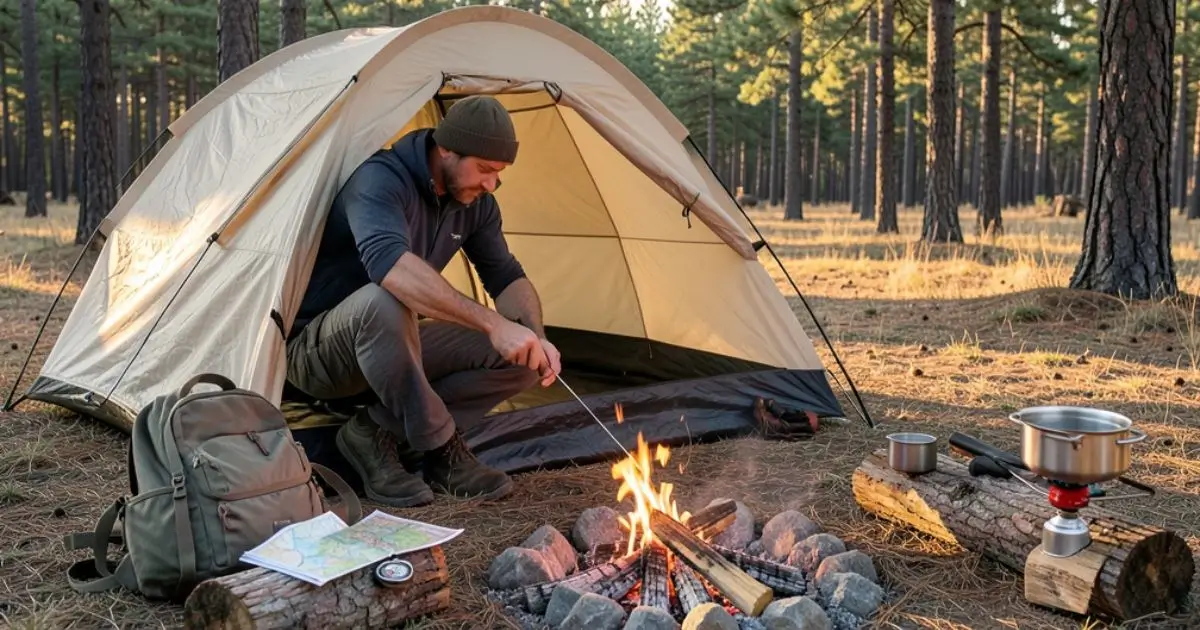
You don’t need to be an outdoor expert to camp confidently. What you do need is a solid foundation. Knowing how to choose a campsite, start a fire safely, cook simple meals, navigate trails, and respond to weather changes gives you control over your experience. This guide walks you through those essentials step by step, so you can enjoy camping instead of worrying about what might go wrong.
Table of Contents
Essential Shelter Skills for Camping Beginners
Your shelter is your first line of comfort and safety outdoors. A poorly chosen campsite or badly pitched tent can lead to cold nights, wet gear, and restless sleep.
How to Choose the Right Campsite
Before you even unpack your tent, take time to read the area around you.
Key things to look for:
- Flat, level ground to prevent rolling or water pooling
- Slight elevation to avoid flooding during rain
- Natural wind barriers such as trees or rocks
- Safe distance from rivers, lakes, and cliffs
Avoid setting up in dry riverbeds or low valleys, even if they look convenient. Sudden weather changes can turn those spots into hazards.
How to Pitch a Tent Properly
Setting up a tent is one of the most important basic camping skills everyone should know.
Follow these steps:
- Clear rocks, sticks, and sharp debris from the ground
- Lay a footprint or groundsheet if you have one
- Face the tent door away from strong winds
- Stake down all corners before tightening the rainfly
- Secure guy lines for extra stability
A properly pitched tent keeps you dry, blocks wind, and holds warmth during cold nights.
Tent Setup Do’s and Don’ts
| Do | Don’t |
|---|---|
| Choose flat ground | Camp in low areas |
| Secure all stakes | Skip guy lines |
| Check wind direction | Ignore weather reports |
| Use a groundsheet | Place tent on rocks |
Fire-Starting Skills Everyone Should Know
Fire provides warmth, light, and a way to cook food—but it also demands respect. Learning fire safety is just as important as learning how to light one.
Campfire Safety Rules
Before starting a fire:
- Check local fire regulations
- Use established fire rings when available
- Clear the area of dry leaves and debris
- Keep water or dirt nearby
Never leave a fire unattended, and always extinguish it completely before sleeping or leaving camp.
How to Start a Campfire Step by Step
A reliable fire depends on structure, not luck.
Basic fire-building process:
- Tinder – dry leaves, paper, or fire starters
- Kindling – small sticks and twigs
- Fuel wood – larger branches
Light the tinder first, then slowly add kindling while allowing airflow. Rushing this step is one of the most common beginner mistakes.
Common Fire-Starting Mistakes
- Using damp or green wood
- Smothering flames with large logs too early
- Blocking airflow
- Ignoring wind direction
Mastering fire control is one of the most valuable basic camping skills everyone should know, especially in cooler conditions.
Basic Camping Cooking Skills
Good food keeps your energy up and your mood steady. Camp cooking doesn’t need to be complicated to be satisfying.
Simple Camp Cooking Methods
Beginner-friendly options include:
- Portable camp stoves
- Foil packet meals
- One-pot recipes
- No-cook meals for short trips
A simple stove offers consistency and speed, especially when weather conditions aren’t ideal.
Food Safety While Camping
Food handling matters more outdoors than at home.
Safety tips:
- Store food in sealed containers
- Keep raw and cooked foods separate
- Use bear-proof storage where required
- Never leave food scraps around camp
Easy Camping Cooking Methods
| Method | Skill Level | Best Use |
|---|---|---|
| Camp stove | Beginner | Quick meals |
| Foil packets | Beginner | Easy cleanup |
| Campfire grill | Intermediate | Group meals |
Cooking efficiently is one of those basic camping skills everyone should know that improves every trip.
Navigation Skills Every Camper Should Learn
Getting lost can turn an enjoyable hike into a serious situation. Even in popular areas, navigation skills matter.
How to Read a Map and Compass
A paper map never runs out of battery.
Navigation basics:
- Understand contour lines and elevation
- Identify landmarks before hiking
- Know how to orient a map with a compass
- Track your route as you move
Using GPS and Apps Safely
Navigation apps are helpful, but they shouldn’t replace basic skills.
Smart use tips:
- Download maps for offline use
- Carry a backup power source
- Always bring a physical map
Knowing where you are—and how to get back—is one of the most essential basic camping skills everyone should know.
Basic Camping Survival Skills
Survival skills aren’t about extreme situations. They’re about handling small problems before they grow.
Finding and Purifying Water
Never assume natural water is safe to drink.
Water safety methods:
- Boiling for at least one minute
- Portable water filters
- Purification tablets
Always carry extra water in case sources dry up.
First Aid Skills for Camping
Minor injuries are common outdoors.
Basic first aid knowledge includes:
- Treating blisters and cuts
- Managing insect bites
- Recognizing heat exhaustion
- Preventing hypothermia
A simple first-aid kit and basic knowledge go a long way.
Weather Awareness and Outdoor Safety Skills
Nature doesn’t follow schedules. Knowing how to read conditions keeps you one step ahead.
Reading Weather Signs in Nature
- Dark, fast-moving clouds signal storms
- Sudden wind shifts often precede rain
- Rapid temperature drops indicate weather changes
Staying Safe in Extreme Conditions
- Dress in layers for cold weather
- Stay hydrated in hot climates
- Avoid exposed ridges during storms
Weather awareness is one of the most underestimated basic camping skills everyone should know.
Leave No Trace Principles (A Skill Every Camper Needs)
Responsible camping protects the outdoors for future trips.
The 7 Leave No Trace Principles
- Plan ahead and prepare
- Camp on durable surfaces
- Dispose of waste properly
- Leave what you find
- Minimize campfire impact
- Respect wildlife
- Be considerate of others
These principles aren’t optional—they’re part of being a skilled camper.
Basic Camping Skills Checklist for Beginners
Before your trip, practice the skills that matter most.
Skills to Practice Before Camping
- Setting up your tent
- Starting a fire safely
- Cooking simple meals
- Reading a map
- Packing and organizing gear
Beginner Camping Skills Checklist
| Skill | Practice at Home | Practice Outdoors |
|---|---|---|
| Tent setup | ✔ | ✔ |
| Fire starting | ✔ | ✔ |
| Map reading | ✔ | ✔ |
| Cooking | ✔ | ✔ |
Frequently Asked Questions About Basic Camping Skills Everyone Should Know
What are the most important basic camping skills everyone should know?
Shelter setup, fire safety, water purification, navigation, food handling, and weather awareness form the foundation of safe camping.
Can you learn basic camping skills without experience?
Yes. Practicing at home and starting with short trips helps you build confidence quickly.
How long does it take to learn basic camping skills everyone should know?
Most skills can be learned in a few days, but confidence grows with repeated use.
Are basic camping skills enough for solo camping?
Yes, as long as you plan carefully and understand safety fundamentals.
Conclusion: Build Confidence With the Basic Camping Skills Everyone Should Know
Camping becomes more enjoyable when you trust your ability to handle what comes your way. The basic camping skills everyone should know don’t limit your freedom—they expand it. Each skill you practice adds confidence, comfort, and safety to your trips.
Start small. Practice at home. Learn one skill at a time. The outdoors rewards preparation, and every trip makes you better than the last.
Call to Action
If you found this guide helpful, save it for your next trip, share it with a fellow beginner, and explore more beginner-friendly camping guides to keep building your outdoor skills with confidence.