Into the Wild: 15 Essential First Time Camping Tips Every Beginner Should Know
Imagine this: It’s 9:00 PM. The only sound you hear is the crackling of a dying fire and the wind rustling through the pine needles above you. You look up, and for the first time in years, you see the Milky Way not as a faint smudge, but as a brilliant river of stars cutting across a velvet sky. You take a deep breath of air that smells of earth and smoke, and you feel your shoulders—tight from weeks of hunching over a keyboard—finally drop.
This is the promise of camping. It is a reset button for the soul.
However, if you have never done it before, the path to that serene moment can feel paved with anxiety. What if I freeze at night? What if a bear eats my snacks? How do I even set up a tent without looking foolish? These are valid fears. The wilderness can be intimidating, and the gear lists can be overwhelming.
But here is the truth: Camping doesn’t have to be a survivalist ordeal. You don’t need to be an expert woodsman to enjoy a night under the stars. With a little preparation and the right mindset, it can be as comfortable as a rustic hotel room—just with better views.
This guide is designed to walk you through every step of the process. From hacking your gear list to mastering campsite etiquette, here are the comprehensive first time camping tips that will turn you from a nervous novice into a confident camper.
Table of Contents
1. Planning Your Escape: Location is Everything
One of the biggest mistakes beginners make is being too ambitious. You might see photos of a rugged backcountry site on Instagram that requires a six-mile hike, but for your first trip, convenience is your best friend.
Start Small and Close to Home
For your maiden voyage, choose a campground within a two-hour drive of your home. Why? Because if disaster strikes—if a thunderstorm rolls in, your tent poles snap, or you simply hate it—you have a safety net. You can pack up and be in your own bed before midnight. There is no shame in a “bailout plan.”
Choose Developed Campgrounds
Look for established campgrounds in State or National Parks. Unlike “dispersed” or wild camping (where you pitch a tent anywhere in the forest with zero amenities), developed campgrounds offer crucial creature comforts for beginners:
- Potable Water: You won’t have to worry about filtering water from a creek.
- Restrooms: Flush toilets or clean vault toilets make the transition much easier than digging a hole in the woods.
- Camp Hosts: These are volunteers who live on-site. They can answer questions, sell firewood, and help if you run into trouble.
Pro-Tip: Use resources like Recreation.gov or ReserveAmerica.com to look for sites. Read the reviews specifically for “privacy” and “noise” to ensure you aren’t booking a site right next to a highway.
The Weather Watch
Check the weather ten days out, three days out, and the morning of your trip. If the forecast predicts heavy continuous rain or temperatures dropping below freezing, reschedule. There is no merit badge for suffering through a miserable first trip. You want your first experience to be positive, not a test of endurance.
2. The Gear Guide: Comfort Without Bankruptcy
Walking into an outdoor retailer can be dangerous for your wallet. You will see titanium mugs and $600 down sleeping bags. You do not need these yet.
Borrow, Rent, or Buy Used
Before you swipe your credit card, ask your friends. Most campers have a closet full of gear they are happy to lend. Alternatively, stores like REI offer rental programs for tents and backpacks. This allows you to test high-quality gear without the commitment.
The “Big Three”
If you do invest, focus your budget on the “Big Three”: Your Tent, Sleeping Bag, and Sleeping Pad.
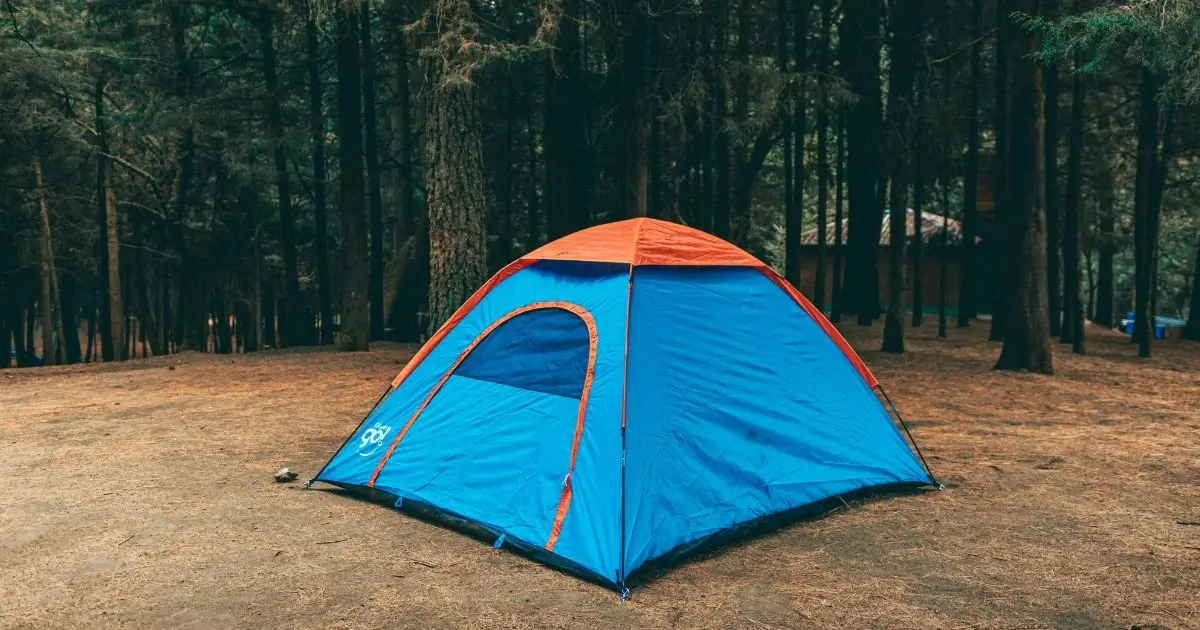
- The Tent: For two people, buy a 4-person tent. Tent ratings are based on how many “mummies” can fit shoulder-to-shoulder. A 2-person tent fits two people, but zero backpacks or dogs. A 4-person tent gives you room to change clothes and store gear.
- The Sleeping Bag: Check the temperature rating. A “30-degree bag” usually means you will survive at 30 degrees, not that you will be comfortable. Always choose a bag rated 10–15 degrees colder than the lowest expected temperature.
- The Sleeping Pad: This is the most overlooked item. New campers often think a pad is just for cushion. It is actually for insulation. The ground will suck the heat out of your body faster than the air will. You need an insulated pad (look for the “R-value”) to keep you warm. A yoga mat is not enough.
Lighting the Way
Ditch the handheld flashlights. You need your hands free for cooking, pitching tents, and carrying wood. Buy a decent LED headlamp for every member of your party.
To help you organize, here is a breakdown of what you absolutely need versus what you can live without.
Table: The “Must-Have” vs. “Nice-to-Have” Checklist
| Category | Must-Have Essentials | Nice-to-Have Luxuries |
| Shelter | Weather-proof Tent (with rain fly), Ground Tarp/Footprint | Camping Hammock, Screen House (for bugs), Outdoor Rug |
| Sleep | Sleeping Bag (rated for weather), Insulated Sleeping Pad | Inflatable Pillow, Cot, Earplugs |
| Kitchen | Camp Stove (2-burner is best), Fuel, Cooler, Water Jug | Cast Iron Skillet, French Press, Tablecloth |
| Personal | Headlamp (w/ extra batteries), First Aid Kit, Sunscreen, Bug Spray | Portable Power Bank, Camp Chair, Bluetooth Speaker (keep volume low) |
| Tools | Multi-tool or Knife, Lighter/Matches, Trash Bags | Hatchet, Mallet for tent stakes |
3. The Backyard Trial Run
You have your gear. You have your reservation. Now, you need a dress rehearsal. One of the most vital first time camping tips is to never try something for the first time in the wilderness.
Pitch Perfect
Set up your tent in your living room or backyard. Read the instructions. Ensure all the stakes are there and the poles aren’t bent. Figuring out which pole goes where is a fun puzzle at 2:00 PM in your yard; it is a nightmare at 9:00 PM in the dark while it’s raining.
Test Your Stove
Light your camp stove to make sure the fuel canister connects properly. If you bought a new cooler, test its latch. If you bought an inflatable sleeping pad, blow it up and leave it overnight with a weight on it to ensure it doesn’t leak.
Footwear Break-in
If you bought new hiking boots for this trip, wear them around the house or on walks for at least a week prior. Breaking in boots on the trail is a guaranteed recipe for blisters that will ruin your weekend.
4. Fueling the Adventure: Camp Kitchen Basics
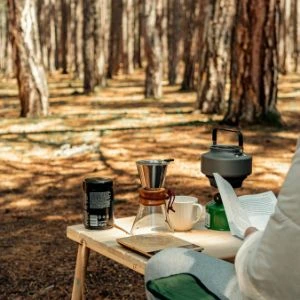
Everything tastes better outdoors, but cooking without a full kitchen takes planning. When you are hungry and tired (“hangry”), you do not want to be chopping vegetables on a wobbly picnic table in the dark.
Prep at Home
Do 90% of the work in your kitchen before you leave.
- Crack eggs into a mason jar or plastic bottle (easier to pour, no broken shells).
- Chop all veggies and store them in Ziploc bags.
- Marinate meats and freeze them. They will act as extra ice in your cooler and will be thawed and ready to cook by dinner on day two.
The Water Rule
Always bring more water than you think you need. You aren’t just drinking it; you are using it to brush your teeth, wash dishes, and fully extinguish your campfire. A good rule of thumb is 2 gallons per person, per day.
3 Easy Beginner Meals
Don’t try to make a soufflé. Stick to classics.
- Breakfast: Oatmeal Power Bowl. Instant oatmeal packets require only boiling water. Add a scoop of peanut butter and sliced bananas for protein.
- Lunch: The Ploughman’s Lunch. No cooking required. Salami, hard cheeses (like cheddar), crackers, an apple, and trail mix.
- Dinner: Hobo Packs (Foil Packets). At home, combine cubed potatoes, carrots, onions, ground beef, and seasonings in heavy-duty aluminum foil. At camp, simply toss the packet on the grate over the fire or coals for 20-30 minutes. Eat right out of the foil for zero cleanup.
5. Setting Up Camp Like a Pro
You have arrived at the campground. The excitement is building. Here is how to set up your temporary home efficiently.
Beat the Sun
Aim to arrive at your campsite by 3:00 PM. This gives you plenty of daylight to scout the site, set up the tent, and gather firewood. Setting up in the dark is the number one cause of camping arguments.
The 3 W’s of Tent Placement
When choosing where to drop your tent, remember the 3 W’s:
- Wind: Face the smallest, lowest side of your tent toward the wind to prevent it from acting like a sail.
- Water: Look at the ground. Is there a dip or depression? Don’t pitch there. If it rains, that dip becomes a puddle, and you will wake up floating. Look for high, flat ground.
- Widowmakers: This is critical for safety. Look up before you pitch. Are there dead branches dangling from the trees above? These are called “widowmakers” because they can fall without warning. Never set up your tent under dead or damaged limbs.
Create Zones
Organize your site. Keep your kitchen/food zone separate from your sleeping zone. This keeps crumbs (and the critters that love them) away from where you sleep.
6. Etiquette and Nature: Leave No Trace
You are a guest in nature’s living room. To ensure these spaces stay beautiful for others, you must follow the Leave No Trace (LNT) principles.
Pack It In, Pack It Out
Everything you bring with you must leave with you. This includes apple cores, orange peels, and micro-trash (like the little tear-off corners of wrapper packets). Inspect your campsite before you leave to ensure it looks cleaner than when you found it.
Wildlife Safety
A fed bear is a dead bear. When wild animals learn that humans equal food, they become aggressive and eventually have to be euthanized.
- Never leave food or garbage unattended on the picnic table.
- Never bring food, toothpaste, or anything scented into your tent.
- At night, lock all food and coolers in your car or a provided bear locker. Raccoons can unzip tents and open simple latches; don’t underestimate them.
Noise Discipline
Tent walls are paper-thin. If you are playing music or talking loudly, your neighbors three sites away can hear you. Respect “Quiet Hours” (usually 10 PM to 6 AM). Enjoy the sounds of nature; that’s why you are there.
7. Clothing and Hygiene: Staying Warm and Clean
You might think, “I’ll just wear jeans and a hoodie.” Please reconsider.
Cotton Kills
There is an old saying among outdoorsmen: “Cotton kills.” When cotton gets wet (from sweat or rain), it loses all insulating properties and stays wet, sucking heat from your body. This can lead to hypothermia even in mild weather.
- Wear: Wool or synthetic materials (polyester, nylon). These wick moisture away and keep you warm even when damp.
- Layering: Use the 3-layer system.
- Base Layer: Moisture-wicking thermal or tee.
- Mid Layer: Fleece or puffy jacket for warmth.
- Shell Layer: Rain jacket or windbreaker to block the elements.
The Camper’s Shower
You likely won’t shower for a weekend trip. Embrace the grime! However, hygiene is still important to prevent chafing and discomfort.
- Baby Wipes: These are essential. A quick “wipe down” of critical areas before bed removes sweat and makes you feel surprisingly refreshed.
- Sanitize: Camping is dirty. Use hand sanitizer rigorously before cooking or eating to avoid stomach bugs.
Frequently Asked Questions (FAQ)
Here are answers to some common questions regarding first time camping tips that we often hear.
Q: Is it safe to go camping alone for my first time?
A: While solo camping is a rewarding experience, most experts suggest going with an experienced friend or a group for your first trip. Having support while learning the ropes of gear setup, fire starting, and navigating the dark helps build confidence. Once you have the skills down, solo trips are fantastic.
Q: How do I sleep comfortably in a tent?
A: The secret isn’t just the sleeping bag; it’s the sleeping pad. You need a pad with a decent R-value (insulation rating) to insulate your body from the cold ground. Additionally, bring earplugs and an eye mask. Nature is louder than you think (crickets, wind, birds at dawn), and the sun rises early.
Q: What should I do if it rains?
A: Preparation is key. Ensure your tent has a waterproof “rain fly” and use a ground tarp underneath (tucked in so it doesn’t stick out and catch water). Bring a waterproof rain jacket, extra wool socks, and a deck of cards or board games. Listening to the rain hit the tent while playing cards can be one of the coziest experiences ever.
Q: How much does it cost to start camping?
A: It can be very affordable! Public campsites typically cost between $20 and $40 per night. If you borrow gear, rent, or buy used items for your first trip, your initial investment can be kept under $100.
Q: How do I build a campfire safely?
A: Only build fires in designated fire rings. Use local firewood (to prevent spreading invasive insects). Keep water and a shovel nearby. When you are done, drown the fire with water, stir the ashes, and drown it again until it is cool to the touch. Never leave a fire unattended.
Conclusion: Embracing the Uncomfortable
Your first camping trip might not be perfect. You might burn a marshmallow. You might get a mosquito bite. You might wake up a little stiff.
But you will also taste the best coffee of your life as the mist rises off a lake. You will laugh with your friends or family around a fire without the distraction of glowing screens. You will realize that you are capable of building your own shelter and living closer to the earth.
The slight discomforts of camping are the price of admission for a front-row seat to nature’s show. It pulls you out of your routine and forces you to slow down, breathe deeply, and appreciate the basics of life.
So, don’t wait for the “perfect” weekend or the “perfect” gear. Call a friend, book the site, pack the car, and go. The wild is waiting for you.
Are you ready to plan your first trip? Share this guide with your future camping buddy and start looking for campsites today!