15+ Homemade Camping Gear Ideas You Can Try Today (And Why You Should!)
There is a specific quiet that falls over the forest right after sunset. It’s just you, the crackle of fire, and the smell of pine needles dampened by evening dew. These moments define the camping experience. Yet, too often, the joy of the outdoors is weighed down by sticker shock at the local outfitter. New tents, technical sleeping bags, and specialized cookware add up quickly. What if you could reclaim the spirit of adventure without emptying your bank account?
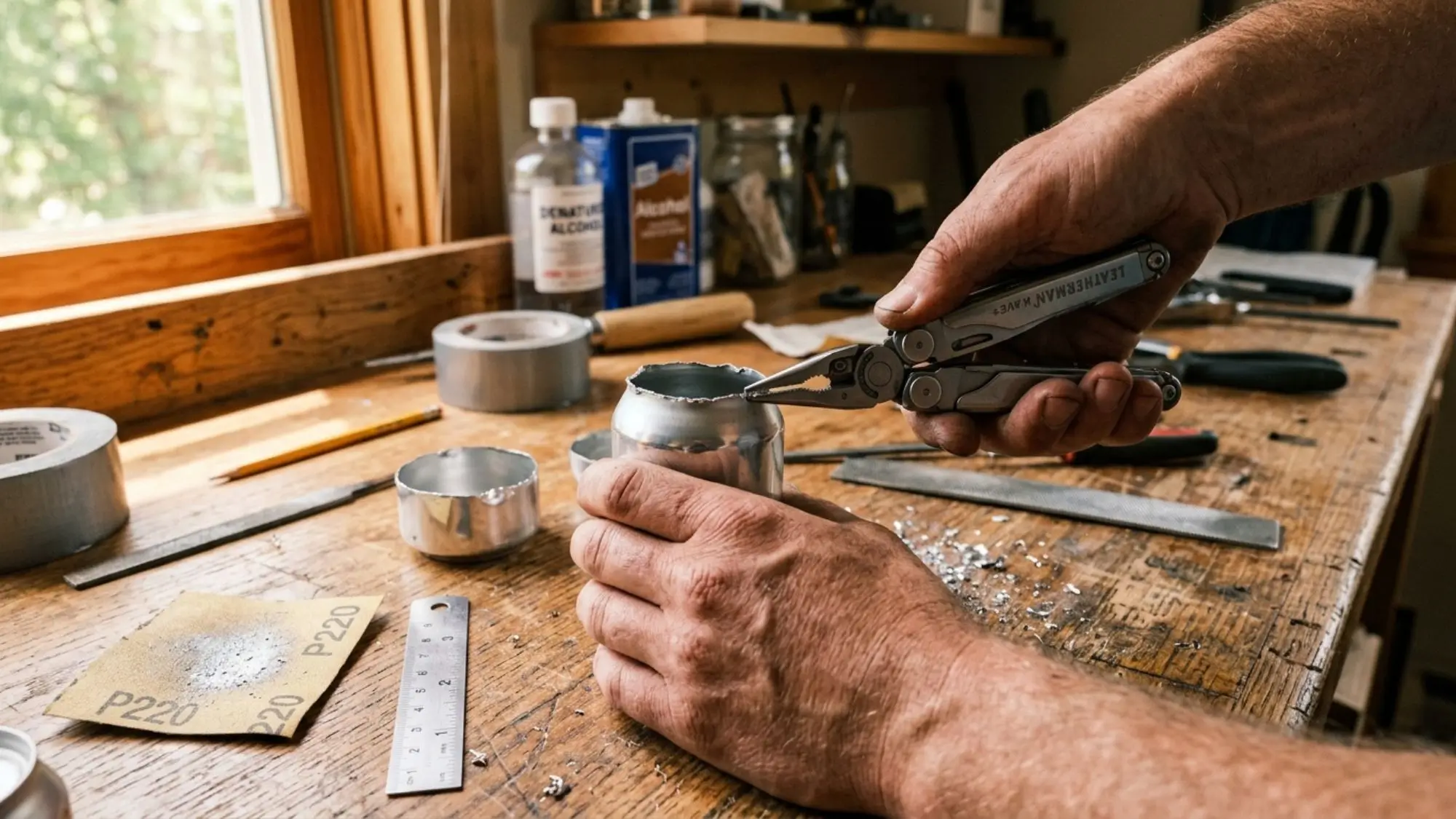
Imagine looking around camp and realizing that most of what surrounds you was crafted by your own hands. That pride isn’t something a store can sell. By exploring homemade camping gear ideas, you aren’t just saving cash; you are deepening your connection to the wild. This guide walks you through practical projects that transform trash into treasure, proving that resourcefulness is the ultimate outdoor tool.
Table of Contents
Why Bother with DIY Camping Gear? The Triple-Win Advantage
Before we pick up our scissors and duct tape, let’s talk about the motivation. Why spend time crafting when you could buy off the shelf? There are three compelling reasons to embrace making your own equipment.
First, consider your budget. High-performance outdoor retail often carries a premium for branding and marketing. When you build homemade camping gear ideas into your routine, you eliminate that markup. A simple aluminum soda can becomes a stove for pennies compared to a $50 titanium unit. Over a season, these savings accumulate, allowing you to extend your adventures elsewhere—perhaps buying fuel or better food instead.
Second, customization is king. Store-bought items come in one size fits most. However, your needs are unique. Do you want a lighter footprint for ultralight hiking? Do you need a specific compartment layout for your survival kit? DIY allows you to tailor every inch of your setup to fit your exact body, load, and travel style.
Finally, there is sustainability. The outdoor industry produces massive waste. By repurposing materials like Tyvek mailers, old clothing, and plastic containers, you reduce landfill contribution. Plus, there is an intangible benefit: the satisfaction of self-reliance. Nothing beats the feeling of relying on equipment you know inside out because you built it yourself.
The DIY Camper’s Toolkit: Essential Materials & Tools
You don’t need a workshop full of machinery to get started. Most homemade camping gear ideas rely on basic hand tools and items found around the house. Before starting any project, gather these essentials to streamline your workflow.
Basic Hand Tools:
- Multi-tool with pliers
- Sharp utility knife or box cutter
- Heavy-duty needle and strong thread (nylon or waxed)
- Scissors
- Duct tape or Gorilla tape
- Grommet kit (for fabric projects)
- Drill with small bits (for metal work)
Commonly Repurposed Materials:
- Altoids Tins: Perfect for waterproof storage of small items.
- Tyvek Envelopes: Great for lightweight, water-resistant tarps.
- Aluminum Cans: Ideal for stoves and utensils.
- Old Fleece/Wool: Excellent insulation for sleeping liners.
- Plastic Bottles: Useful for water filters or lantern diffusers.
Having these ready means you won’t get stuck halfway through a project when inspiration strikes at home.
The Cost-Saving Breakdown: DIY Gear vs. Retail
Numbers speak louder than promises. To visualize the impact of crafting your own equipment, look at this comparison. While time is valuable, the financial barrier to entry drops significantly when you choose to create rather than consume.
| Gear Item | Estimated Retail Cost | DIY Estimated Cost | Potential Savings |
| Alcohol Cat Can Stove | $25 – $70 | < $1 | $24 – $69 |
| Tent Footprint/Groundsheet | $30 – $80 | $0 – $10 | $20 – $80 |
| Camping Spice Kit | $15 – $25 | $2 – $5 | $10 – $20 |
| Waterproof Fire Starters | $10 – $15 (per pack) | < $2 | $8 – $13 |
| Emergency Survival Kit | $30 – $100+ | $5 – $15 | $25 – $85 |
This table highlights how even complex tasks yield massive returns. For instance, a custom survival kit costs a fraction of commercial versions because you source individual components like matches and fishing hooks cheaply.
Easy DIY Camping Gear for the Kitchen
Cooking outdoors is half the fun, but kitchen gadgets are often expensive. Here are three kitchen-focused homemade camping gear ideas that improve efficiency without breaking the budget.
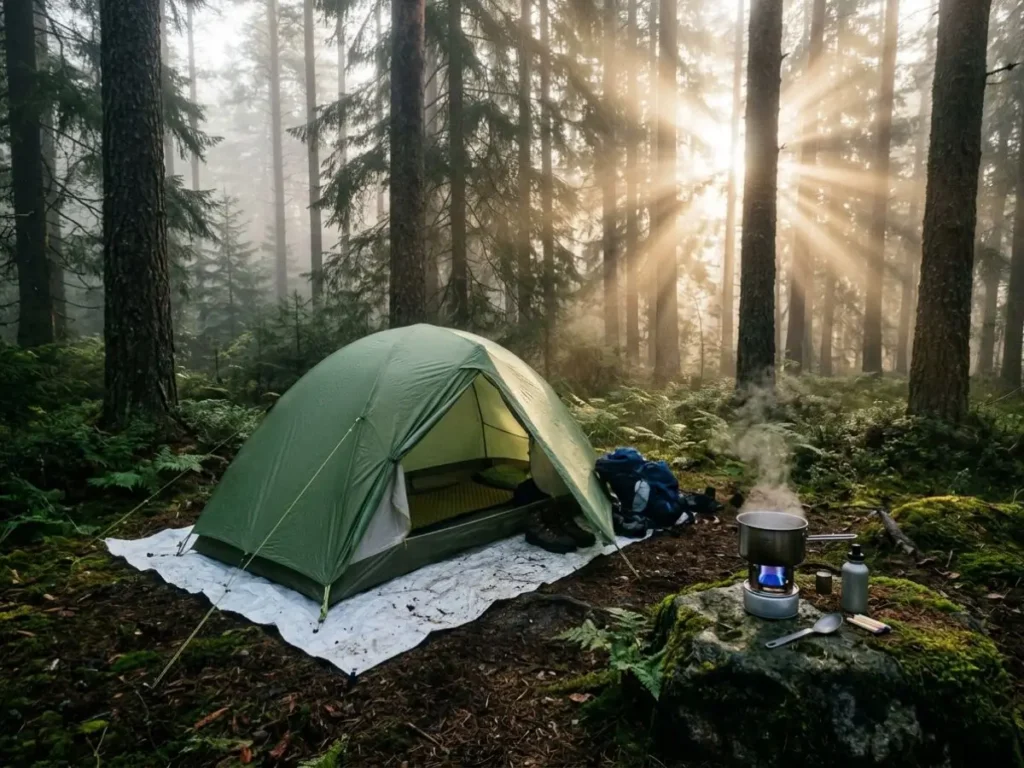
1. The Classic Alcohol Cat Can Stove
This is the grandfather of DIY stoves. It works on alcohol gel or denatured ethanol.
- Difficulty: Medium
- What You Need: Two identical aluminum soda cans, sandpaper, a pushpin, and rubbing alcohol.
- How It Works: Cut the bottoms off both cans. Remove labels. Score and cut one can so it folds inward to form a nest. Drill tiny holes around the rim of the inner pot for jets. Pour in fuel, ignite, and enjoy a simmering flame.
- Why It Wins: It weighs almost nothing and costs less than a dollar to construct. It’s ideal for boiling water efficiently.
2. The Pocket-Sized Camping Spice Kit
Salt and pepper aren’t enough to elevate camp meals. But heavy glass jars are impractical.
- Difficulty: Easy
- What You Need: A weekly pill organizer or clear Tic-Tac boxes.
- How It Works: Fill compartments with essential powders: garlic powder, salt, black pepper, cumin, and paprika. Label them clearly with masking tape. Seal tightly to prevent moisture from ruining your spices.
- Why It Wins: You avoid carrying bulk bottles and gain access to flavors that turn bland freeze-dried meals into gourmet dishes.
3. DIY Reflective Pot Cozy
Keeping food warm uses more fuel than cooking it. A cozy helps retain heat.
- Difficulty: Easy
- What You Need: Reflectix bubble insulation foil and duct tape.
- How It Works: Measure the height and circumference of your cooking pot. Cut the foil to size, wrap it around, and secure with tape. Ensure the reflective side faces the pot.
- Why It Wins: It traps radiated heat, keeping leftovers edible longer and reducing the need to reboil water.
Homemade Camping Gear Ideas for Camp Comfort & Shelter
Once you eat, you need rest. Commercial tarps and chairs are bulky. You can design solutions that offer comfort while minimizing pack weight.
4. The Ultralight Tyvek Tent Footprint
Ground cloths protect your tent floor from abrasion and moisture.
- Difficulty: Easy
- What You Need: Large Tyvek sheet (often free from construction sites or shipping centers).
- How It Works: Lay your tent upside down on the Tyvek. Trace the perimeter. Cut the shape, ensuring it is slightly smaller than the tent floor to prevent rainwater from pooling under the fly. Punch grommets in corners for stakes if needed.
- Pro Tip: Wash the Tyvek before use to soften the fabric, reducing the crinkling noise that might disturb neighbors or wildlife.
5. The Simple Rope-and-Tarp Camp Chair
Relaxing around a fire usually requires digging for sticks or sitting on logs.
- Difficulty: Medium
- What You Need: Two sturdy branches (armrests) and a durable tarp or scrap vinyl.
- How It Works: Drive two forked sticks into the ground parallel to each other. Tie a hammock-style sling across the forks using paracord. Secure the fabric seat to the cords.
- Why It Wins: Unlike a folding plastic chair, this collapses into a bundle no bigger than a flashlight, offering ergonomic seating in rough terrain.
6. DIY Sleeping Bag Liner
Dirty feet ruin sleeping bag insulation over time. A liner protects the interior.
- Difficulty: Easy (No-Sew option available)
- What You Need: An old silk or fleece flat sheet.
- How It Works: Fold the sheet lengthwise. Using a sewing machine, stitch the open sides shut. For a no-sew version, use fabric glue or strong safety pins. Add a drawstring at the top to cinch around your neck.
- Why It Wins: It keeps your primary sleeping bag clean and adds a layer of warmth, potentially upgrading a summer bag to a spring/fall sleeper.
Essential DIY Survival & Utility Projects
Beyond comfort, functionality matters. Small utility items often go overlooked until they are gone. These projects ensure you have critical capabilities without buying pre-packaged kits.
7. Waterproof Fire Starters
Damp wood happens. Being able to spark a flame in wet conditions is vital.
- Difficulty: Easy
- What You Need: Cotton balls and petroleum jelly (Vaseline).
- How It Works: Roll cotton balls. Dip them thoroughly in the jelly until saturated. Place them in a small container. They burn for minutes even when wet.
- Safety Note: Keep away from heat sources in your backpack until needed.
8. The Altoids Tin Survival Kit
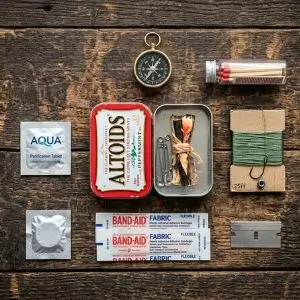
A compact case that holds everything you need for unexpected nights out.
- Difficulty: Easy
- What You Need: A standard metal mint tin.
- Inventory Checklist:
- Mini lighters (pack of 2)
- Fishing line and hooks
- Water purification tablets
- Matches in a waterproof tube
- Small whistle
- Compact mirror for signaling
9. The Duct Tape Rope Dispenser
Rope tangling wastes time. A simple dispenser solves this.
- Difficulty: Easy
- What You Need: A roll of duct tape and an old gift card.
- How It Works: Wrap a few meters of duct tape around the card (sticky side facing out). Then wrap another layer sticky side in. This creates a flat, rigid stick. Alternatively, just loop tape onto a plastic carabiner.
- Why It Wins: It ensures you always have a repair patch or emergency cordage handy without the mess.
Conclusion: Your Adventure, Your Gear
Embarking on a journey equipped with homemade camping gear ideas changes the way you interact with nature. It shifts the focus from consumption to creation. Every stitch in a sleeping liner and every fold of a stove reminds you of your capability to survive and thrive outside. You save money, you reduce waste, and you carry gear that fits you perfectly.
Frequently Asked Questions (FAQ)
1. What are the easiest homemade camping gear ideas for a beginner?
If you are new to building, stick to zero-skill projects. Waterproof fire starters made from cotton balls and Vaseline are incredibly simple. Similarly, assembling a spice kit using pill organizers requires no tools. These are excellent entry points to test your interest without requiring advanced woodworking or sewing skills.
2. Is it safe to use homemade camping gear like a DIY stove?
Safety is critical. While homemade camping gear ideas can be robust, devices involving fire must be handled with care. Always test stoves in a controlled environment, like your backyard, before taking them to a remote site. Ensure all ventilation holes are correct to prevent carbon monoxide buildup, and never leave a burning stove unattended.
3. How can I make my DIY camping gear waterproof?
Water resistance varies by material. For fabrics, purchase a silicone-based waterproofing spray designed for nylon or canvas. For hard goods, seal seams with epoxy or silicone caulk. Materials like Tyvek and Gore-Tex scraps naturally resist moisture, making them ideal choices for shelters and liners exposed to rain.
4. Where can I find more inspiration for homemade camping gear ideas?
The community is vast online. YouTube channels dedicated to ultralight backpacking often feature detailed builds. Websites like Instructables host user-submitted tutorials. Reddit forums, specifically r/myog (Make Your Own Gear), allow you to connect with other enthusiasts who can critique your designs and suggest improvements for your next project.