Best Temperature for Tent Camping: Find Your Comfort Sweet Spot + Seasonal Tips That Actually Work
You probably remember at least one night in a tent that felt perfect: the air cool enough to breathe deeply, the sleeping bag cozy without feeling like a furnace, and that quiet “nothing else matters” calm that only shows up when you’re outdoors. And if you’ve camped more than a few times, you also remember the opposite—waking up at 3 a.m. with cold knees, damp gear, or sweat pooling in the small of your back.
Temperature is the hidden deal-breaker in tent camping. Not because you need ideal weather to camp—but because a few degrees (plus wind or humidity) can be the difference between solid sleep and a long, miserable night. Here’s how to nail the best temperature for tent camping, plan for each season, and stay comfortable without overpacking.
Table of Contents
What’s the Best Temperature for Tent Camping (for Most People)?
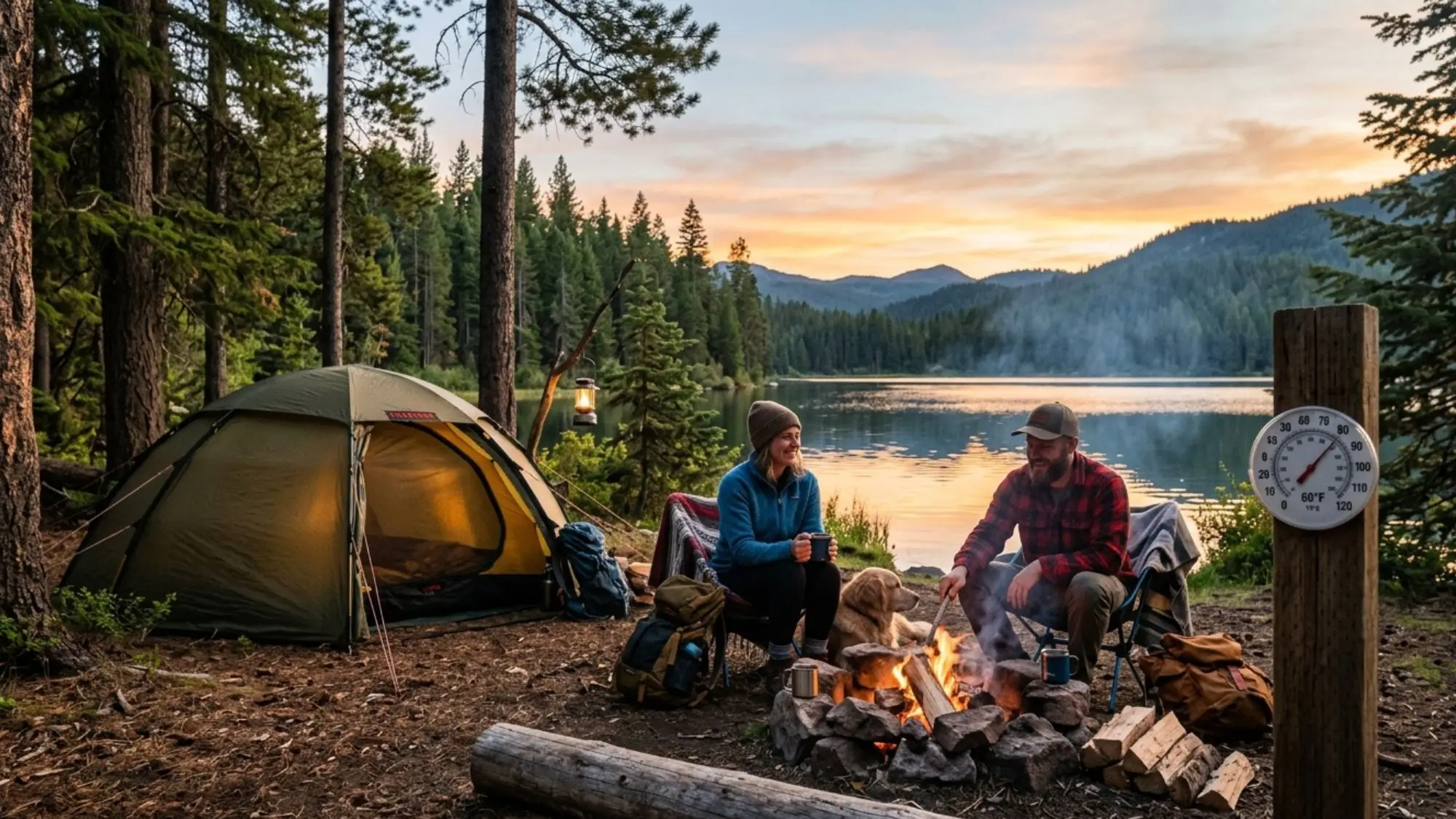
If you’re aiming for comfort—sleeping well, making coffee without shivering, and not overheating in the afternoon—the best temperature for tent camping usually falls in this range:
- Nighttime lows: 50°F–70°F (10°C–21°C)
- Daytime highs: 65°F–80°F (18°C–27°C)
That’s the “sweet spot” where most people can sleep in a typical 3-season tent with a reasonable sleep system and minimal drama.
Why this range feels so good
In that window, you can usually:
- Sleep without heavy layering
- Vent your tent without freezing
- Avoid major condensation issues (though humidity still matters)
- Enjoy mornings without numb fingers
Important: Your comfort isn’t based on air temperature alone. Wind, humidity, rain, and the ground beneath you can make the exact same forecast feel totally different. (This is why two campers can be side-by-side, one cozy and one miserable.)
Data to reference: Sleeping bag ratings are standardized under ISO 23537 (formerly EN ratings), and temperature/hazard guidance is widely covered by NOAA, National Park Service, and CDC resources on heat and cold exposure.
Comfort vs. Safety: When Tent Camping Temperatures Become Risky
You can be uncomfortable at 55°F and perfectly safe. You can also be in danger at 45°F if you’re wet, windy, and under-insulated. Don’t treat “it’s not that cold” as a safety plan.
Cold-weather risk thresholds (hypothermia can happen above freezing)
Hypothermia isn’t a “snow-only” problem. It can start when your body can’t maintain core temperature, and it’s more likely when you’re damp and exposed.
Watch your risk when:
- Temperatures drop below 40°F (4°C) and it’s rainy or windy
- You’re sleeping on a pad that doesn’t insulate well (the ground steals heat fast)
- You sweat during setup and then cool down quickly
Smart habit: Always pack one “dry-only” sleep layer (base layer + socks) and keep it sealed until bedtime.
Hot-weather risk thresholds (heat illness and poor sleep)
Heat becomes a real issue when your body can’t cool down—especially in humid conditions.
You’ll feel it most when:
- Nighttime temps stay above 75°F (24°C)
- Humidity is high (sweat doesn’t evaporate well)
- Air is still (no breeze to help)
CDC guidance on heat stress consistently points to hydration, shade, and airflow as the big three—camping is no different.
“Feels like” matters: wind chill, heat index, and dew point
Forecasts can mislead because:
- Wind chill makes cold air pull heat from your body faster
- Heat index can make moderate temps feel brutal when humidity is high
- Dew point predicts how clammy the night will feel (and how much condensation you may get)
If you want a quick rule: when the dew point is high, you’ll likely wake up to damp tent walls unless you ventilate well.
Quick Table: Best Temperature for Tent Camping + What to Pack
Use this as your fast planning tool—especially if you’re deciding whether your current sleeping bag and pad are enough.
| Nighttime Temp | Comfort Level (Typical) | Sleeping Bag / Quilt Guidance (ISO/EN style) | Sleeping Pad R-Value | One Tip That Helps a Lot |
| 70–80°F (21–27°C) | Warm to sticky for many | Liner or light quilt | 1–2 | Max ventilation + shade your tent |
| 50–70°F (10–21°C) | Best temperature for tent camping (sweet spot) | 30–50°F rated bag/quilt | 2–3 | Vent slightly; light base layer |
| 32–50°F (0–10°C) | Cold for many | 20–30°F bag | 3–4 | Add warm hat + dry socks |
| 20–32°F (-7–0°C) | Advanced cold | 0–20°F bag | 4–6 | Hot water bottle + draft control |
| Below 20°F (-7°C) | Specialized winter | 0°F and below + layered system | 6+ | Winter skills + moisture management |
Reality check: Many campers sleep colder than the “limit” rating on the tag. If you sleep cold, choose a bag rated about 10°F colder than the forecast low.
Build a Comfortable Sleep System (It’s Not Just the Sleeping Bag)
If your nights are hit-or-miss, your gear might not be working as a system. Think in three parts:
1) Your sleeping bag or quilt (top insulation)
- Comfort rating is the number that usually matters most for you
- “Lower limit” is not a promise you’ll sleep well—it’s closer to “you’ll make it through”
Practical rule: Match your bag to the forecast low, then add a buffer if you tend to sleep cold, camp at altitude, or expect wind/rain.
2) Your sleeping pad (bottom insulation)
A lot of “my sleeping bag failed” stories are actually “my pad was the problem.”
- Look for R-value (higher = warmer)
- For typical 3-season use, R-2 to R-4 covers a lot of ground
- Below freezing, you’ll appreciate R-4+ (or stacking pads)
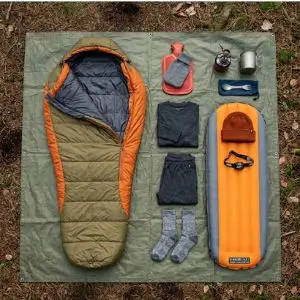
3) Your sleep clothing (warmth + dryness)
At bedtime, you want to be:
- Dry
- Comfortable
- Warm without sweating
A simple setup that works for many conditions:
- Lightweight base layer (top + bottom)
- Warm socks reserved for sleeping
- Beanie (your head/neck can dump heat fast)
Tent Ventilation and Condensation: Stay Warm Without Getting Wet
A sealed-up tent can feel warmer for 20 minutes… and then you wake up in a damp mess. Moisture is a comfort killer because wet gear loses insulation.
Condensation Control Checklist (quick, realistic steps)
- Crack a vent or door zipper even when it’s cold
- Keep wet shoes and rain gear out of your sleeping area
- Pitch so a light breeze can reach you (avoid deep, stagnant low spots)
- Don’t cook inside your tent (adds moisture and can be dangerous)
This is one of those “small effort, huge payoff” camping habits.
Seasonal Comfort Tips: Spring, Summer, Fall, Winter
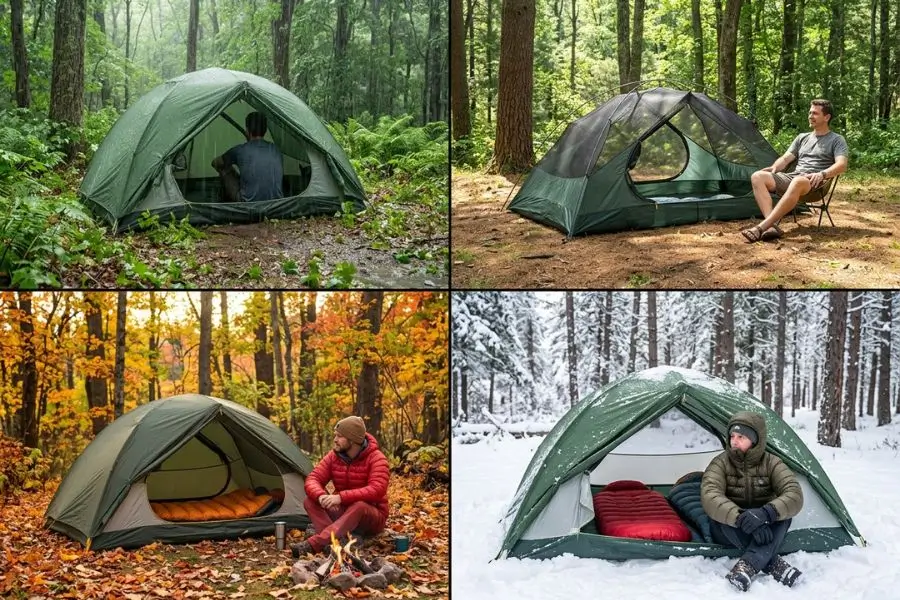
Spring tent camping temperature tips (wild swings)
Spring is famous for warm afternoons and surprise-cold nights. Your job is to prepare for both without hauling your closet.
What helps most:
- Dress in layers you can peel off quickly
- Bring a rain shell even if the forecast looks friendly
- Keep one extra warm layer dry for evening (a fleece or light puffy)
Pack smart:
- Warm hat + gloves (small, but they can save your night)
- Extra guy lines and stakes if wind and rain roll in
- A groundsheet/tarp plan so your tent floor stays drier
Summer tent camping temperature tips (heat, humidity, and bad sleep)
Summer is where many campers struggle—not because it’s unsafe, but because they just can’t sleep.
Your best moves:
- Choose shade and airflow over “best view”
- Set up so your tent isn’t baking at sunrise
- Vent aggressively (mesh panels are your friend)
Hot-night tricks that actually work:
- Use a liner, thin sheet, or light quilt instead of a full bag
- Keep a water bottle reachable
- If bugs allow, open everything you safely can
Fall tent camping temperature tips (often the most comfortable)
Fall might be your easiest path to the best temperature for tent camping: crisp nights, fewer bugs, and calmer days. The main risk is underestimating how fast temperatures drop after sunset.
What to watch:
- Frost risk in higher elevations
- Longer nights (you’ll spend more time in your sleep system)
Pack smart:
- Slightly warmer pad than you use in summer
- Beanie + warm socks
- A simple hot drink plan (stove + mug makes cold mornings feel easy)
Winter tent camping temperature tips (advanced, but doable)
Winter camping can be incredible—but you need more margin for error.
Your priorities:
- Insulate from the ground (seriously)
- Avoid sweating during setup (sweat becomes cold later)
- Keep moisture under control (wet gear = less warmth)
Winter comfort staples:
- Higher R-value pad (or two pads stacked)
- Sleeping bag/quilt rated well below expected lows
- A hot water bottle in your bag (tight lid, wrapped in a sock)
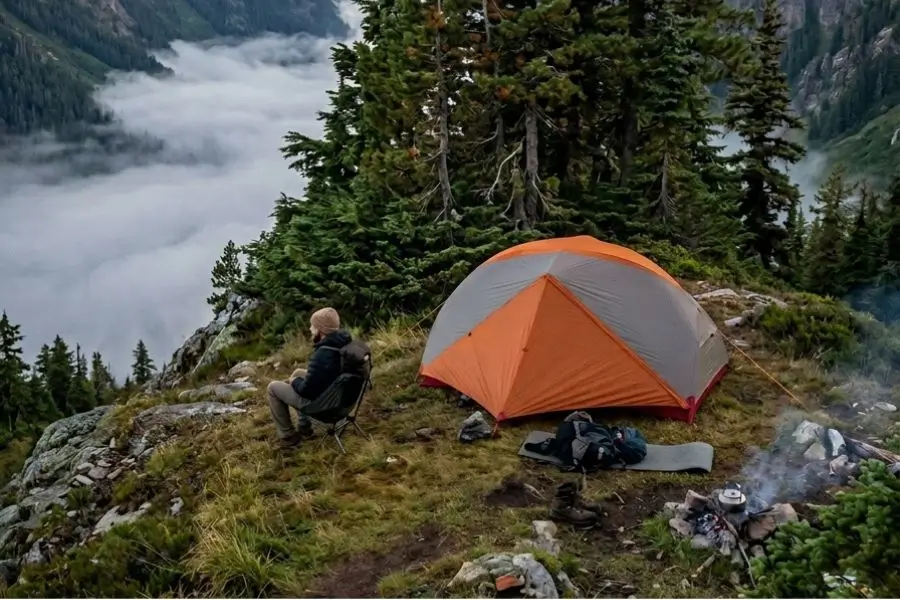
Campsite Microclimates: Your Pitch Spot Can Change the Temperature
You can gain or lose noticeable warmth based on where you set your tent.
Where temperatures shift more than you’d expect
- Low valleys and dips: cold air sinks here at night
- Near water: often more humidity and heavier dew
- Exposed ridges: more wind (wind can erase “mild” temps fast)
- Dense trees: less wind, sometimes slightly warmer—but watch for hazards overhead
Quick campsite placement list (comfort-first)
- Pick slightly elevated ground
- Look for natural windbreaks (boulders, terrain, shrubs)
- Avoid pitching under dead limbs (“widowmakers”)
- If mornings are cold, aim for a spot that gets early sun
Packing and Night Routine: Two Checklists You’ll Use Every Trip
Packing list for comfortable tent camping temperatures
- Sleeping pad with the right R-value
- Bag/quilt matched to the forecast low
- Dry sleep base layer + sleep socks
- Warm hat (tiny item, huge benefit)
- Rain shell + spare cord/guylines
- Headlamp (so you’re not fumbling in the cold)
A 5-minute bedtime routine that improves sleep
- Eat a small snack (your body runs warmer with fuel)
- Change into dry sleep layers
- Adjust ventilation to reduce condensation
- Prep your warm add-ons (hat, extra layer, hot water bottle if needed)
- Put essentials within arm’s reach (headlamp, water, extra socks)
Common Mistakes That Ruin Comfort (and How to Avoid Them)
Cold-night mistakes
- Relying on a warm bag while using a thin pad
- Going to bed in clothes you hiked in (damp = chilly)
- Pitching in a low, windless basin because it “looks sheltered”
Hot-night mistakes
- Zipping everything shut and trapping heat
- Camping in direct sun with no morning shade plan
- Using a bag that’s too warm and trying to “tough it out”
The fix is usually simple: plan for the low temp, ventilate on purpose, and treat your sleeping pad like essential insulation—not an accessory.
FAQ: Best Temperature for Tent Camping
What is the best temperature for tent camping?
For most people, the comfort sweet spot is 50°F–70°F (10°C–21°C) at night. You’ll sleep well with a typical 3-season setup and won’t spend the whole trip battling your gear.
Is 40°F too cold for tent camping?
Not if you prepare. Use a 20–30°F rated sleeping bag (or add insulation), pair it with an R-3 to R-4 sleeping pad, and keep a dry sleep layer reserved for nighttime.
Is 80°F too hot for tent camping?
It can be—especially if the air is humid and nighttime temps stay high. Prioritize shade, airflow, and a lighter sleep setup (liner or summer quilt), and hydrate well.
What sleeping bag rating works best in the best temperature for tent camping range?
For nights around 50°F–70°F, many campers do well with a 30–50°F bag or quilt, depending on how warm you sleep and how insulated your pad is.
How can you stay warm in a tent without a heater?
Focus on your system: a warmer sleeping pad, dry base layers, a hat, a bedtime snack, and controlled ventilation. A hot water bottle (sealed tightly) can add hours of comfort.
Conclusion: Dial in Your Temperature Strategy and Sleep Better Outside
The best temperature for tent camping is usually that cool, forgiving 50°F–70°F band—but your real advantage comes from planning around nighttime lows, insulating from the ground, and managing moisture. When you do that, spring swings, summer heat, and fall chill stop feeling like problems and start feeling like part of the fun.