Car Camping vs Backpacking: 5 Essential Tips to Boost Your Adventure!
Table of Contents
Which Outdoor Adventure Is Right for You?
Here is a surprising fact: over 57 million Americans go camping every single year, yet many of them never stop to ask whether they are choosing the right style of camping for their goals, fitness level, or budget. Whether you are a weekend warrior or a seasoned outdoor enthusiast, the debate between car camping vs backpacking is one that can genuinely shape the quality of your entire outdoor experience.
So, which one is better? Honestly, that is the wrong question. The real question is: which one is better for you? In this article, you will discover the core differences between car camping and backpacking, explore the pros and cons of each, and walk away with five essential, field-tested tips to elevate whichever adventure style you choose. By the end, you will feel confident, prepared, and genuinely excited to hit the trail or the campsite.
Understanding the Basics: What Is Car Camping vs Backpacking?
What Is Car Camping?
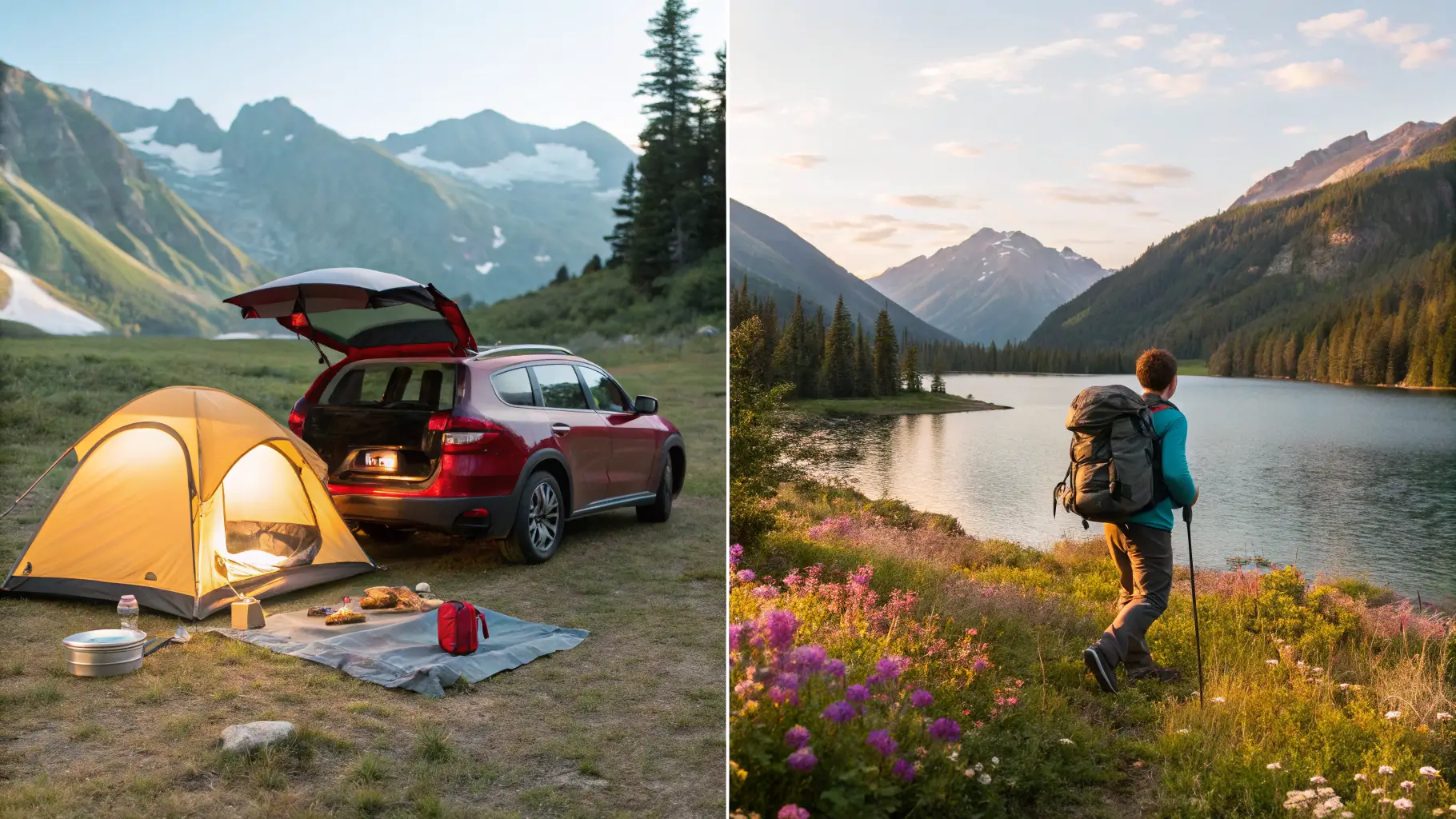
Car camping, also known as drive-in camping or base camp camping, is exactly what it sounds like. You drive your vehicle directly to a designated campsite, unload your gear, and set up camp right next to your car. Popular destinations include state parks, national forest campgrounds, and private campgrounds with road access.
Because your vehicle acts as a storage unit, you are not limited by weight or pack size. You can bring a full-sized cooler, a propane stove, comfortable folding chairs, a canopy, and even a cozy air mattress. It is the more accessible form of camping, making it ideal for families, beginners, or anyone who simply wants to enjoy nature without the physical demands of hiking long distances.
What Is Backpacking?
Backpacking is a style of wilderness travel where you carry everything you need on your back and hike to your campsite, often miles away from the nearest road or parking lot. It demands a higher level of physical fitness, careful gear selection, and trip planning.
The reward? You gain access to remote, breathtaking landscapes that most people will never see. Solitude, untouched wilderness, and a profound sense of self-reliance are hallmarks of the backpacking experience. Gear must be lightweight and multi-functional, and every ounce genuinely matters when you are carrying a 30 to 50-pound pack over rugged terrain.
Car Camping vs Backpacking: A Side-by-Side Comparison
Before diving into the tips, it helps to see both styles compared clearly. Here is an at-a-glance breakdown:
| Category | Car Camping | Backpacking |
|---|---|---|
| Gear Weight | No restriction | Lightweight (ideally under 30 lbs base weight) |
| Accessibility | High — suitable for all ages and abilities | Moderate to difficult — requires fitness |
| Cost | Moderate — campsite fees apply | Higher upfront (lightweight gear is expensive) |
| Solitude | Low to moderate — shared campgrounds | High — remote wilderness access |
| Comfort Level | Very comfortable | Minimalist comfort |
| Nature Immersion | Moderate | Very deep and immersive |
| Planning Required | Minimal to moderate | Extensive |
| Best For | Families, beginners, social campers | Solo adventurers, fitness enthusiasts, explorers |
5 Essential Tips to Boost Your Car Camping or Backpacking Adventure
Now that you understand the key differences, let us get into the actionable strategies. These five tips are designed to help you thrive regardless of which outdoor style you prefer.
Tip 1: Match Your Gear to Your Adventure Style
One of the most common mistakes people make when choosing between car camping vs backpacking is using the same gear for both. That is a recipe for frustration.
For car camping, comfort is king. You can afford to bring heavier, bulkier items that make your stay more enjoyable. Think about the following essentials:
- A large, insulated cooler with plenty of ice packs
- A two-burner propane stove for easy meal prep
- A roomy, non-freestanding tent with a full rain fly
- A queen-size air mattress or thick foam sleeping pad
- Camp chairs, a portable table, and string lights for ambiance
For backpacking, every single item earns its place in your pack. Prioritize the following categories:
- An ultralight tent under three pounds
- A sleeping bag rated for the lowest expected temperature
- A compact, efficient backpacking stove like a canister stove
- A water filter or purification tablets
- High-calorie, lightweight trail food such as freeze-dried meals, nuts, and energy bars
Investing in the right gear from the start saves you money, energy, and frustration in the long run.
Tip 2: Plan Your Meals Like a Pro
Food can make or break any camping trip, and your approach to meal planning differs significantly between car camping and backpacking.
Car Camping Meal Ideas
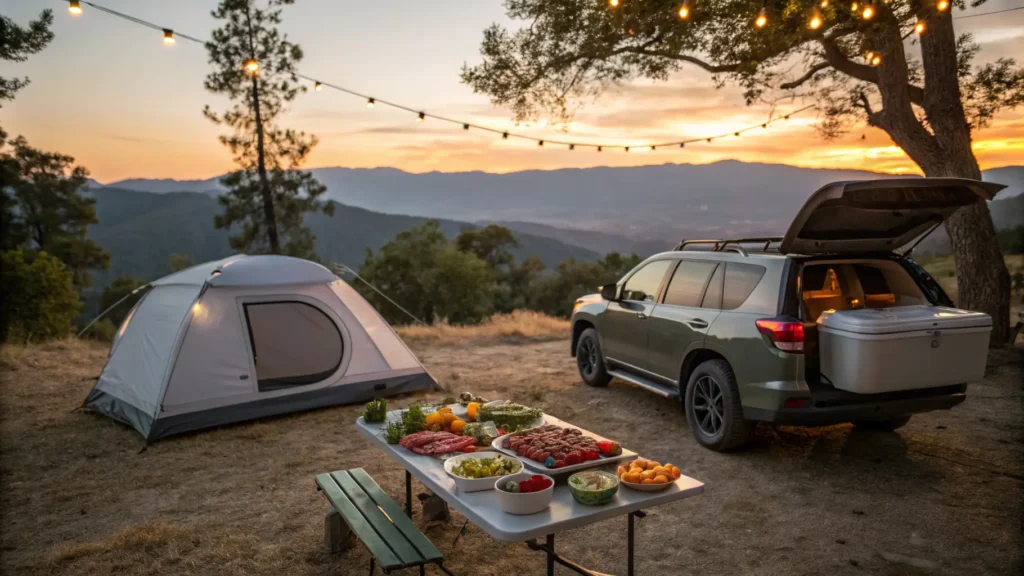
When you have a cooler and a full camp kitchen at your disposal, the culinary possibilities are almost unlimited. Many car campers bring fresh vegetables, marinated meats, eggs, and even cast-iron cookware. Some crowd-favorite car camping meals include foil packet dinners cooked directly on the campfire, Dutch oven chili, campfire nachos, and pancakes made on a griddle at sunrise.
Backpacking Nutrition Strategy
On the trail, you need to think in terms of calories per ounce. A standard backpacker burns between 3,000 and 5,000 calories per day depending on terrain and pack weight. Your goal is to pack meals that are lightweight, calorie-dense, and easy to prepare with just boiling water.
Great backpacking food options include:
- Freeze-dried meals from brands like Mountain House or Backpacker’s Pantry
- Instant oatmeal with nut butter packets for breakfast
- Tortillas, hard cheese, and salami for quick trail lunches
- Trail mix, jerky, and energy bars for snacking
- Ramen noodles with a packet of miso soup for a warm and satisfying dinner
Always follow Leave No Trace principles and pack out all food waste to protect wildlife and the environment.
Tip 3: Master the Art of Campsite Selection
Where you sleep shapes your entire camping experience. This applies equally to both car camping and backpacking, though the process looks very different.
Choosing a Car Campsite
When reserving a drive-in campsite, look for spots with natural shade, level ground, and proximity to restrooms without being right next to them. Check campground reviews on platforms like The Dyrt, Hipcamp, or Recreation.gov to understand the layout, noise levels, and amenities before booking. Reservations at popular national parks can fill up six months in advance, so plan early.
Finding a Backpacking Campsite
In the backcountry, choosing a campsite follows Leave No Trace guidelines. Whenever possible, camp on durable surfaces like bare rock, gravel, or dry grass. Stay at least 200 feet away from lakes, streams, and trails to minimize your environmental impact. Look for natural wind protection, avoid low-lying areas prone to collecting water during rain, and never camp directly under dead trees or widow-makers.
Many popular wilderness areas now require a permit to camp overnight, so research permit requirements well in advance of your trip.
Tip 4: Prepare for Weather and Safety Like a Seasoned Outdoorsman
Whether you are car camping or backpacking, Mother Nature does not care about your schedule. Weather preparedness and safety planning are non-negotiable for any outdoor adventure.
Here are the core safety principles that apply to both styles:
- Check the forecast obsessively: Use apps like Weather Underground, Mountain Forecast, or the National Weather Service for location-specific and elevation-aware forecasts.
- Build a first aid kit: Include blister care, bandages, antiseptic wipes, pain relievers, allergy medication, and any personal prescriptions.
- Tell someone your plans: Always leave a detailed trip plan with a trusted person who knows when to call for help if they do not hear from you.
- Know the signs of hypothermia and heat exhaustion: These are the two most common weather-related emergencies in the backcountry.
For backpackers specifically, a personal locator beacon (PLB) or satellite communicator like a Garmin inReach is a worthwhile investment. In remote terrain where cell service is nonexistent, it can be a lifesaver.
Tip 5: Build Your Skills Progressively
One of the best pieces of advice in the car camping vs backpacking conversation is this: start where you are, not where you think you should be.
If you are brand new to the outdoors, car camping is the perfect entry point. It lets you develop fundamental skills like building a fire, navigating a campground, cooking outdoors, and sleeping in a tent without the added physical and mental demands of carrying a heavy pack through the wilderness.
Once you feel comfortable with those basics, you can begin transitioning toward backpacking by taking these progressive steps:
- Start with one-night backpacking trips on well-marked trails close to a trailhead
- Practice day hikes with a loaded pack to build strength and endurance
- Take a wilderness first aid course to build medical confidence
- Join a local hiking or backpacking club to learn from experienced mentors
- Gradually extend your trips in distance, duration, and terrain difficulty
Many veteran backpackers still enjoy car camping because they appreciate having the option of a cooler full of cold beverages and a comfortable night’s sleep when the adventure calls for it. There is absolutely no shame in mixing both styles throughout the year.
Which Is Better for the Environment?
Both car camping and backpacking can be done sustainably, but they come with different environmental footprints. Car camping concentrates impact in designated areas, which can protect surrounding wilderness from overuse. Backpacking, when practiced with strict Leave No Trace ethics, allows for a very minimal impact on the environment.
Regardless of which style you choose, always pack out your trash, respect wildlife, stay on designated trails, and avoid picking plants or disturbing natural features. Being a responsible outdoor steward ensures these wild places remain intact for future generations.
Key Takeaways
- Car camping offers comfort, accessibility, and minimal planning, making it ideal for families and beginners.
- Backpacking provides deep wilderness immersion, solitude, and a profound sense of achievement at the cost of more demanding preparation.
- Your gear selection must match your adventure style — heavy and comfortable for car camping, lightweight and functional for backpacking.
- Meal planning, campsite selection, weather preparedness, and skill-building are critical for success in both styles.
- You do not have to choose just one — many outdoor enthusiasts enjoy both car camping and backpacking throughout the year.
- Always practice Leave No Trace principles to protect the wild places you love.
Frequently Asked Questions
What is the main difference between car camping vs backpacking?
The main difference is mobility and access. Car camping means you drive to a designated campsite and set up camp next to your vehicle, allowing for heavier and more comfortable gear. Backpacking means you carry all your gear on your back and hike to remote campsites, which requires lightweight equipment and greater physical fitness.
Is car camping or backpacking better for beginners?
Car camping is generally better for beginners because it removes the physical demands of carrying a heavy pack and allows you to bring more comfort items. Once you develop basic camping skills through car camping, transitioning to backpacking becomes a much smoother and more enjoyable process.
How much does it cost to start backpacking compared to car camping?
Backpacking typically requires a higher upfront investment due to the need for specialized lightweight gear. A basic backpacking kit including a tent, sleeping bag, sleeping pad, and stove can cost anywhere from $400 to well over $1,500. Car camping gear is generally less expensive because weight is not a concern and budget-friendly options abound.
Can you car camp and backpack on the same trip?
Absolutely. Many outdoor enthusiasts use a car camping base camp as a starting point for day hikes or even overnight backpacking excursions. This hybrid approach is a great way to enjoy the comfort of a car campsite while still experiencing the backcountry.
What physical fitness level do you need for backpacking?
A moderate level of cardiovascular fitness and lower body strength is recommended for backpacking. You should be comfortable walking several miles on uneven terrain while carrying a loaded pack. Building up gradually with day hikes and shorter overnight trips is the most effective way to prepare your body for longer backpacking adventures.
How do I stay safe while backpacking alone?
Solo backpacking safety relies on thorough preparation. Always share your detailed itinerary with someone at home, carry a satellite communicator or personal locator beacon, study your route in advance, bring navigation tools like a map and compass, and know basic wilderness first aid. Starting with well-traveled trails and gradually moving to more remote routes is the smartest approach for solo adventurers.
What are the best national parks for car camping?
Some of the top national parks for car camping in the United States include Yosemite, Yellowstone, the Great Smoky Mountains, Acadia, and Zion. These parks offer well-developed campgrounds with amenities like restrooms, fire rings, and picnic tables. Reservations are highly recommended and often required months in advance.
What are the best trails for beginner backpackers?
Great beginner backpacking trails include the Appalachian Trail in sections, the John Muir Trail’s entry points in the Sierra Nevada, the Lost Coast Trail in Northern California, the Enchantments in Washington State, and various state park trail systems throughout the country. Look for trails with well-marked paths, reliable water sources, and manageable elevation gain.
Conclusion
At the end of the day, the car camping vs backpacking debate is not really about which style is superior. It is about finding the outdoor experience that aligns with your current abilities, goals, and the kind of memories you want to create. Car camping opens the door to nature for everyone, regardless of age, fitness, or experience. Backpacking rewards those who are willing to challenge themselves with some of the most extraordinary and untouched landscapes on earth.
The five tips shared in this article — matching your gear, planning your meals, selecting the right campsite, preparing for safety, and building your skills progressively — apply powerfully to both styles of camping. Use them as your foundation, and you will find that every trip you take gets more rewarding, more confident, and more unforgettable.
The wilderness is out there waiting for you. All you have to do is decide how you want to experience it.
Ready to Start Your Next Adventure?
Whether you are packing a cooler for your first car camping trip or piecing together your first ultralight backpacking kit, the most important step is simply getting outside. Share this article with a fellow outdoor enthusiast who is trying to decide between car camping vs backpacking.