Essential Camping Items List for Every Trip
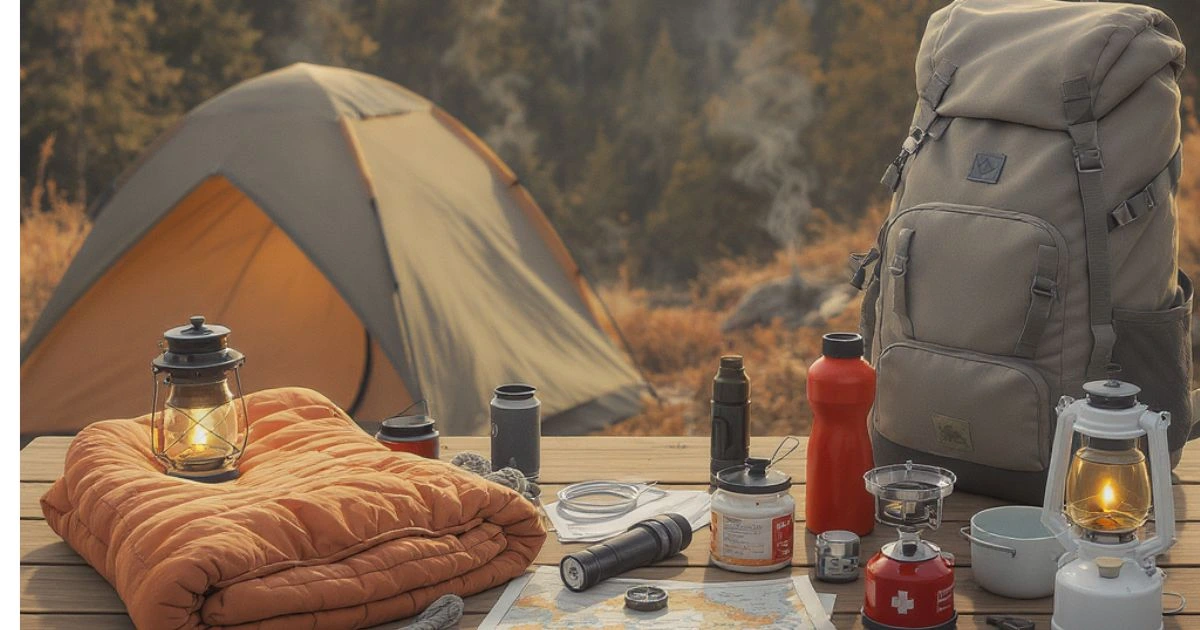
Imagine the crisp scent of pine needles underfoot, the crackle of a campfire echoing through the night, and the stars overhead painting a canvas of infinite wonder. As you chase sunsets across rugged trails and wake to the symphony of birdsong in remote wildernesses, you know that camping isn’t just an activity—it’s a soul-stirring escape that reconnects you with nature and yourself. But nothing shatters that magic faster than realizing you’ve forgotten a crucial item miles from civilization. That’s why this essential camping items list is more than a checklist; it’s your ticket to worry-free adventures that create lasting memories with loved ones.
Table of Contents
Why You Need an Essential Camping Items List Before Every Outing
You might think you’ve got camping down to a science, but even seasoned adventurers overlook the basics sometimes. Picture this: You’re deep in the woods, a sudden rainstorm hits, and you realize your tent’s rainfly is back home. Common mishaps like these—stemming from poor packing—can turn your dream trip into a nightmare. Weather changes catch you off guard, equipment failures leave you scrambling, and simple oversights amplify discomfort. By preparing an essential camping items list, you prioritize safety, ensuring you’re equipped for emergencies like injuries or getting lost. Comfort follows suit, with the right gear letting you relax instead of rough it unnecessarily. Plus, it promotes environmental responsibility through Leave No Trace principles, minimizing your impact on pristine areas.
Community insights reveal just how prevalent these issues are. In stories shared on REI’s blog, campers recount forgetting tents, poles, or fuel, leading to improvised solutions or aborted trips. A YouTube survey of hundreds of campers highlighted 12 commonly forgotten items, from trash bags to bug spray, underscoring that many trips suffer disruptions. While exact percentages vary, these anecdotes suggest a significant portion of outings—potentially over half—face avoidable hiccups without a solid list.
To customize your essential camping items list, consider your trip type:
- For car camping, you can afford bulkier items like coolers and chairs.
- Backpacking demands lightweight gear to keep your load under 30 pounds.
- Family outings? Add kid-friendly extras like games.
- Solo hikes? Focus on multi-use tools for efficiency.
Start by reviewing past trips—what did you miss? Factor in duration, season, and location. This proactive approach not only saves time but also boosts your confidence, letting you focus on the joy of the outdoors.
Must-Have Shelter and Sleeping Gear for Comfortable Camping
When night falls and temperatures drop, your shelter and sleeping setup become your sanctuary. Without them, you’re exposed to the elements, risking discomfort or worse. A reliable tent shields you from rain, wind, and bugs, while a sleeping bag and pad insulate against the cold ground. You should choose gear based on weather forecasts—opt for waterproof materials in rainy areas and breathable fabrics for humid spots. Weight matters too; if you’re hiking in, aim for under 5 pounds total for these items.
Hypothermia is a real threat for unprepared campers, especially in variable mountain weather. According to the National Park Service data on park mortalities, unintentional causes like falls and weather-related issues contribute to half of all deaths, with physical activities like hiking amplifying risks. To stay safe, pack accordingly.
Here’s a step-by-step guide to packing your shelter gear:
- Select a tent sized for your group—add extra space for gear storage.
- Roll your sleeping bag tightly to save space.
- Layer a sleeping pad or air mattress for cushioning.
- Include stakes, guylines, and a footprint to protect your tent floor.
- Test everything at home to avoid surprises.
To help you decide, compare tent types in this table:
| Tent Type | Capacity | Weight (lbs) | Price Range ($) | Best For |
|---|---|---|---|---|
| Dome Tent | 2-4 people | 4-8 | 50-200 | Family car camping with easy setup |
| Backpack Tent | 1-2 people | 2-4 | 100-300 | Solo or duo hiking trips where portability is key |
| Cabin Tent | 6+ people | 15+ | 150-500 | Group outings needing standing room and multiple doors |
With these essentials, you’ll sleep soundly, recharged for the next day’s adventures. Remember, quality gear lasts seasons, so invest wisely in items that match your camping style.
Essential Cooking and Food Supplies for Camping Meals
Nothing fuels your outdoor escapades like a hearty meal under the stars, but improper planning can lead to hunger or health issues. Your essential camping items list must include cooking tools and supplies to prepare nutritious, waste-minimizing meals. A portable stove provides reliable heat, while a cooler keeps perishables fresh. Don’t forget utensils, pots, and biodegradable soap for cleanup.
Meal planning starts with assessing your group’s needs—calorie-dense foods for active days, easy prep for minimal effort. To prevent illnesses, follow food safety basics: Keep cold items below 40°F and cook meats thoroughly. Though specific USDA pages may vary, general guidelines emphasize separating raw and cooked foods, using ice packs in coolers, and washing hands often to avoid contamination during camping.
Build your meal kit with these bullet points:
- Portable stove or grill with fuel (propane or butane canisters).
- Lightweight cookware: Pot, pan, and mess kit.
- Eating essentials: Plates, bowls, forks, knives, spoons, and cups.
- Food storage: Bear-proof bags if in wildlife areas, plus resealable containers.
- Extras: Spatula, can opener, and aluminum foil for versatility.
For non-perishables, stock up on:
- Energy bars, nuts, and dried fruits for snacks.
- Pasta, rice, and canned goods for quick meals.
- Spices, oil, and condiments to enhance flavors.
By organizing your supplies, you’ll enjoy delicious, safe meals that energize you without leaving a trace. Experiment with recipes like foil-packet veggies or one-pot stews to keep things simple yet satisfying.
Clothing and Personal Care Items for All-Weather Camping
Mother Nature doesn’t always cooperate, so your clothing and personal care items must adapt to whatever she throws your way. Layering is your best friend: Start with moisture-wicking base layers, add insulating mid-layers, and top with waterproof outerwear. This system keeps you dry and warm, preventing chills or overheating during hikes.
Weather-related injuries are common; the American Hiking Society notes that storms can develop quickly, with lightning striking about 300 people annually in the U.S., though deaths have declined to under 50 per year recently. Hypothermia and heat exhaustion lurk in unprepared outfits, so pack for extremes.
Categorize your checklist like this:
- Upper Body: Quick-dry shirts, fleece jackets, rain jacket, and hats for sun or cold.
- Lower Body: Hiking pants (convertible to shorts), thermal leggings, and waterproof overpants.
- Footwear: Sturdy boots or shoes, wool socks (extras for wet days), and camp sandals.
- Personal Care: Biodegradable soap, toothbrush, toothpaste, towel, sunscreen, bug spray, and toilet paper.
- Accessories: Sunglasses, gloves, and a buff for neck protection.
Seasonal tweaks matter—add bug nets in summer or hand warmers in winter. Prioritize synthetic or wool fabrics over cotton, which holds moisture. With thoughtful packing, you’ll stay comfortable, hygienic, and ready for any trail twist.
Navigation, Safety, and First Aid Essentials for Safe Camping Trips
Venturing into the wild means embracing uncertainty, but your navigation and safety gear turns potential dangers into manageable challenges. Maps and compasses guide you when GPS fails, while flashlights illuminate dark paths. A first aid kit handles minor woes, and communication tools like whistles or satellite phones summon help if needed.
Outdoor injuries are frequent; estimates suggest 4,000 to 5,000 hiking-related incidents annually in the U.S., often tied to weather or falls. NPS data shows motor vehicle crashes, drownings, and falls as top unintentional death causes, with half occurring during activities like camping.
Build your first aid kit step by step:
- Bandages, gauze, and adhesive tape for wounds.
- Antiseptic wipes and antibiotic ointment.
- Pain relievers, antihistamines, and tweezers.
- Moleskin for blisters and scissors.
- Personal meds, plus an emergency blanket.
Compare safety gear here:
| Safety Item | Purpose | Recommended Brand | Cost ($) |
|---|---|---|---|
| First Aid Kit | Treat minor injuries | Adventure Medical Kits | 20-50 |
| Multi-Tool | Repairs and utility | Leatherman | 30-100 |
| Emergency Whistle | Signal for help | Fox 40 | 5-10 |
Add a headlamp, knife, and fire starter. These items ensure you’re prepared, giving you peace of mind to explore freely.
Fun and Miscellaneous Items to Enhance Your Camping Experience
While essentials keep you alive, these add-ons make your trip memorable. Games foster bonding, binoculars reveal wildlife, and a hammock offers lazy afternoons. Eco-friendly choices like reusable bottles align with Leave No Trace, which promotes planning ahead, disposing waste properly, and respecting wildlife to preserve nature.
Optional add-ons based on group size:
- For families: Card games, frisbees, or storybooks.
- For couples: A portable speaker for music (keep volume low).
- For solos: Journal and pen for reflections.
- Universal: Camera, field guide, or solar charger.
These extras weigh little but amplify joy—choose wisely to avoid overload.
How to Pack and Organize Your Essential Camping Items List Efficiently
Efficient packing transforms chaos into order, saving you time and frustration. Start by categorizing gear: Shelter in one bag, kitchen in another. For backpacking, distribute weight evenly—heavy items near your back. REI experts advise using a 30-50 liter pack for overnights, keeping essentials like the Ten Essentials accessible.
Follow this numbered process:
- Lay out everything from your list.
- Group by function and use stuff sacks.
- Balance load: Food and water at bottom for stability.
- For car camping, use bins for easy trunk access.
- Test pack weight—aim for 20-30% of your body weight.
Car vs. backpacking differs: Cars allow bulk, while backpacks demand minimalism. These strategies ensure you’re ready without excess.
FAQs on Essential Camping Items List
- What is the most overlooked item on an essential camping items list?Often, it’s a reliable water filtration system—essential for hydration in remote areas, as contaminated water can ruin your trip.
- How do I customize my essential camping items list for winter trips? Add insulated gear like thermal sleeping bags and snow chains; check weather forecasts and pack extra layers to combat cold, per hiking safety guidelines.
- Can I use a basic essential camping items list for international travel? Yes, but research local regulations on items like knives or stoves to avoid issues at borders.
- What’s the best way to budget for an essential camping items list? Prioritize multi-use items; aim for under $500 for beginners, as suggested by outdoor gear experts, and shop sales for quality deals.
Conclusion: Embark on Your Next Adventure with Confidence
As you gear up for your next escape into the wild, remember that a well-curated essential camping items list isn’t just about survival—it’s about thriving in nature’s embrace. By packing thoughtfully, you’ll create space for joy, discovery, and unbreakable bonds. So, grab your list, hit the trail, and let the adventure unfold. Ready to elevate your camping game? Share your favorite tip in the comments below or sign up for our newsletter for more outdoor insights—your next epic trip awaits!