Shoulder Season Camping: Spring & Late Season Camping Tips (Without the Crowds)
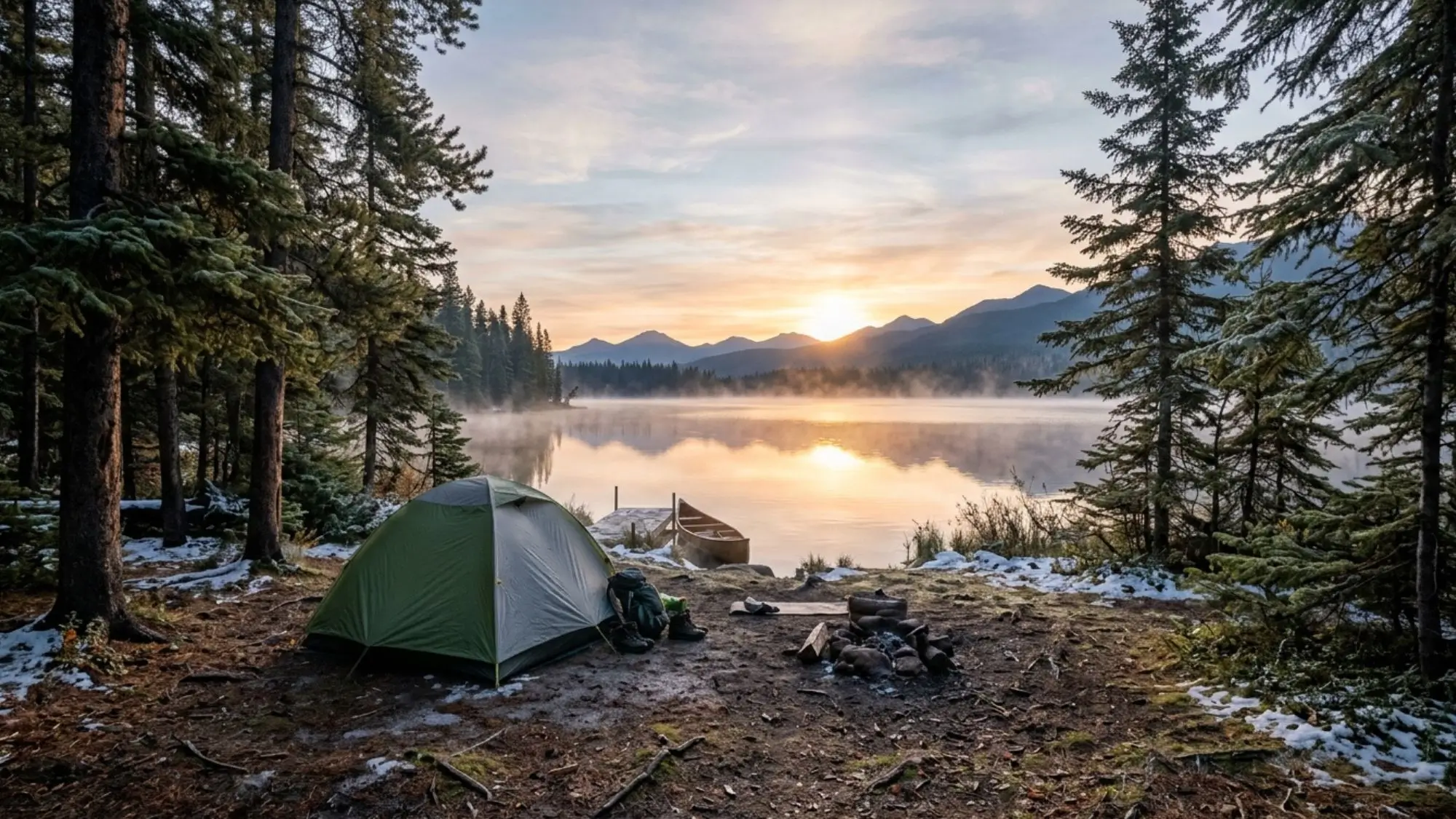
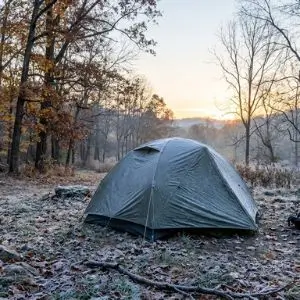
You know that feeling when you pull into a campground and it’s… quiet. No line at the kiosk. No music drifting through the trees. Just the wind in the pines and your tires crunching over gravel like you’re arriving early to a place that hasn’t woken up yet.
That’s the gift of shoulder season camping—those in-between weeks when the outdoors feels more personal. But it also comes with a price: weather mood swings, closed water spigots, muddy pads, and nights that get cold fast.
If you want the calm without the chaos, you don’t need tougher instincts. You need a smarter plan. This guide walks you through spring camping tips and late season camping strategies that keep you warm, dry, and confident.
Table of Contents
What Is Shoulder Season Camping?
Shoulder season camping is the window between peak season and the true off-season. Depending on where you camp, that usually means:
- Spring shoulder season: early spring through late spring (lower elevation warms first; mountains lag behind)
- Late season camping: early fall through late fall (and sometimes early winter in milder climates)
Here’s the key: shoulder season isn’t a fixed date on a calendar. It’s shaped by elevation, latitude, and local park operations. A campground at 8,000 feet can feel like winter long after the city has turned to shorts.
What to check before you go
- Park/forest “season dates” and service notices (NPS, USFS, state park websites)
- Historical weather normals and current outlooks (NOAA is a solid reference point)
Why Camp in the Shoulder Season? (Benefits and Tradeoffs)
The best reasons to try shoulder season camping
If you’ve only camped in peak summer, shoulder season can feel like you unlocked a secret setting.
- Fewer crowds and more quiet hours
- Better campsite selection (more options, less reservation stress)
- Often cheaper—some parks and private campgrounds offer lower rates outside peak weeks
- Cooler hiking temps in many regions
- Great wildlife viewing (varies by place and season)
The tradeoffs you must plan for
Shoulder season gives you solitude, but it expects you to show up prepared.
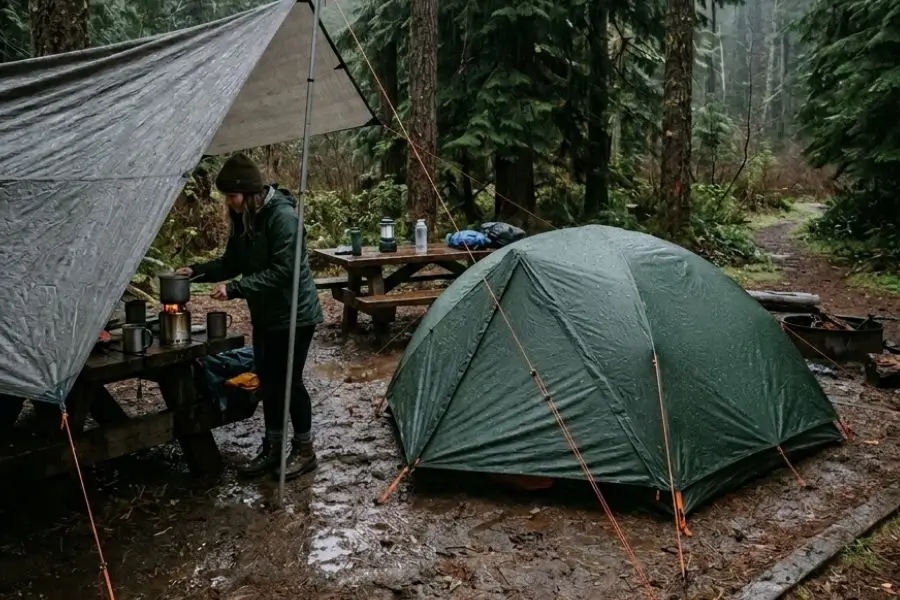
- Weather flips fast: cold rain, wet snow, wind
- Mud season and soft ground in spring
- Limited services: water off, bathrooms locked, camp stores closed
- Fire restrictions can still apply—or wet wood can make fires frustrating
- Shorter daylight (especially late season)
A quick call to a ranger station or a check of park alerts can save you from arriving to locked gates.
Shoulder Season Weather Reality Check (Spring vs Late Season)
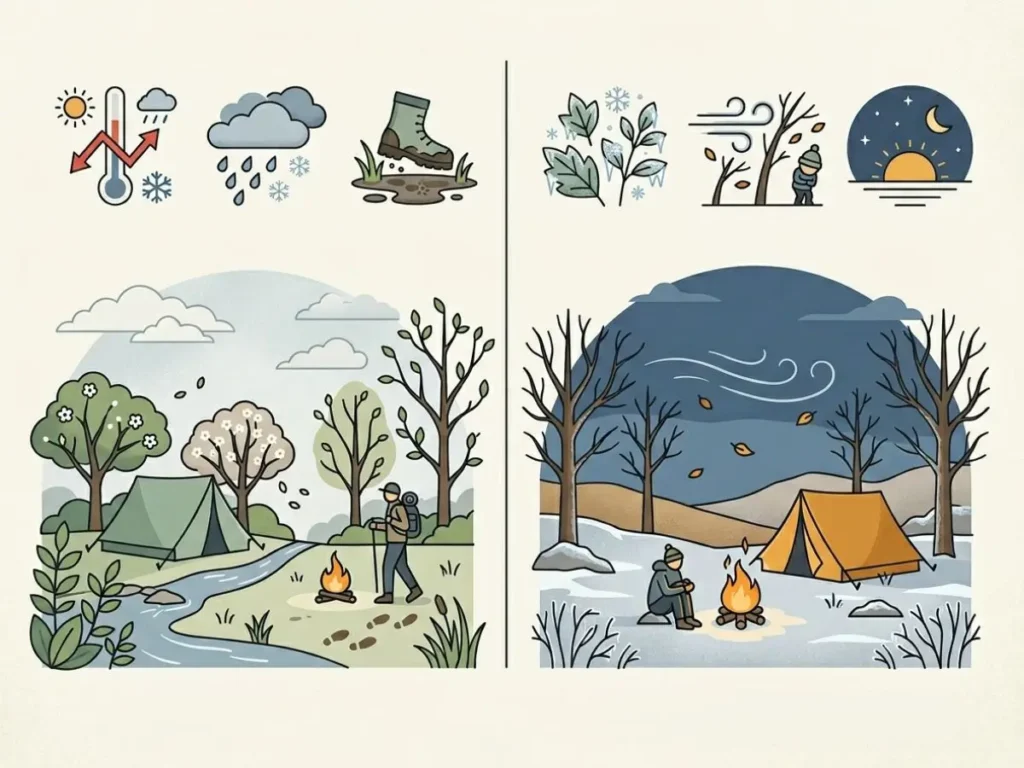
Spring and late season can look similar on paper—cool days, cold nights—but they behave differently in the field.
Spring shoulder season patterns
- Freeze/thaw cycles (icy mornings, sloppy afternoons)
- Cold rain is common and can chill you faster than snow
- High runoff and swollen creeks
Late season camping patterns
- Nights drop lower and stay low
- Wind becomes a bigger factor
- Frost and early snow are more likely at elevation
- Less daylight to set up, cook, and problem-solve
Spring vs Late Season Camping Planning Cheatsheet
| Factor | Spring Shoulder Season Camping | Late Season Camping (Fall–Early Winter) | What You Do |
| Temperature | Big swings, surprise cold snaps | Colder nights, steady chill | Layer up + warmer sleep setup |
| Precipitation | Cold rain, wet snow | Wind + early snow | Waterproof + windproof priorities |
| Ground | Mud, soft pads | Frozen ground, leaf cover | Better stakes, groundsheet |
| Water | Runoff, high creeks | Lower flow but colder | Caution at crossings; insulated bottle |
| Bugs | Ticks can appear early | Fewer insects | Tick checks + treated clothing |
| Daylight | Increasing | Decreasing | Arrive earlier; headlamp ready |
Data sources to reference when planning: NOAA point forecasts, park road/trail condition updates, state DOT seasonal closure notices.
Spring Camping Tips Explained (What to Do Before You Leave)
Check forecasts the smart way (not just “the weather app”)
If you’re camping in foothills or mountains, a general city forecast can mislead you.
Use:
- NOAA point forecasts for the exact area/elevation
- Hour-by-hour wind and gust predictions
- Overnight lows (your comfort depends on nighttime, not daytime highs)
- Precipitation type (rain vs snow vs “mix”)
Set a personal “bailout line.” Example: “If the overnight low drops below 30°F with heavy wind, I switch to car camping or reschedule.” That’s not being dramatic—that’s being consistent.
Choose your campsite for cold rain and wind
Where you pitch matters as much as what you pack.
Site selection rules of thumb
- Avoid low spots where cold air settles and water collects
- Look for natural windbreaks—but scan overhead for dead limbs (“widowmakers”)
- Favor slightly elevated, well-drained pads
- Aim for morning sun if possible (drying gear is half the battle)
Manage mud season without wrecking the site
Spring camping often means mud. The goal is to stay comfortable without expanding impact.
- Use established pads and trails (Leave No Trace guidance is clear here)
- Bring a small ground mat/doormat for the tent entrance
- Keep muddy shoes in the vestibule or a plastic bin
- Pack an extra pair of dry socks you guard like treasure
Late Season Camping Tips (Warmth, Timing, and Comfort)
Plan around shorter days
Late season camping punishes late arrivals. Darkness makes everything harder: pitching a tent, finding level ground, even locating the bathroom.
Your best move: arrive early and finish camp chores before the sun drops.
Pack for early nightfall:
- Headlamp + spare batteries
- Small lantern for cooking and organizing gear
- Backup fire starter (if fires are allowed)
Handle condensation and frost like a pro
Cold nights bring condensation, and condensation turns into damp gear.
- Vent your tent (yes, even when it’s cold)
- Don’t breathe into your sleeping bag
- Keep wet items out of your insulation
- If frost forms, shake it off in the morning sun and let the tent dry before packing when possible
Gear for Shoulder Season Camping (What Matters Most)
You don’t need a new closet of gear. You need the right priorities.
Clothing: use a simple layering system
Aim for “adjustable warmth” rather than one bulky solution.
- Base layer: moisture-wicking (avoid cotton)
- Midlayer: fleece or light insulated layer
- Insulation: puffy jacket for evenings
- Shell: rain jacket and rain pants (wind protection matters too)
- Warm hat + gloves (and consider spares)
Reference point: outdoor retailers like REI publish solid layering guidance, and it aligns with standard field practice.
Sleep system: your pad matters as much as your bag
A common shoulder season mistake is upgrading the sleeping bag and ignoring the pad.
- Choose a sleeping pad with a higher R-value for colder ground
- Know that sleeping bag ratings are standardized under ISO/ASTM testing, and “lower limit” isn’t the same as “comfortable”
- Bring dry sleep layers (socks + base layer reserved for bed)
Quick warmth trick: a hot water bottle (well-sealed) in your sleeping bag can buy you hours of comfort.
Shelter and rain protection essentials
If wind shows up, your tent needs to behave like a tent—not a kite.
- Full-coverage rainfly
- Extra guylines (cheap, light, high value)
- Stakes that match your ground (soft soil vs frozen ground differs)
- A tarp for cooking/gear staging in rain
Food, Water, and Camp Comfort in Cold or Wet Conditions
Shoulder season meal planning: warm, fast, and filling
Cold air burns calories, and hot food stabilizes your mood.
Bring:
- Oatmeal, ramen upgrades, soups, one-pot meals
- Snacks you can eat while wearing gloves
- Hot drinks (tea, cocoa, broth)
Fuel note: stoves can run less efficiently in cold, and you may boil more water. Pack a little extra fuel.
Water when spigots are off
In shoulder and late season, campground water is often shut down to prevent freezing or reduce maintenance.
Plan for:
- Larger water containers
- A backup treatment option (filter + tablets is a practical combo)
- Preventing freezing: keep bottles insulated; store them upside down at night (ice forms at the top first)
Safety: Cold, Wet, Wind, Wildlife, and Spring Ticks
Hypothermia prevention (the real shoulder season risk)
Cold plus wet can drain you fast. The Red Cross and wilderness medicine resources emphasize a simple truth: hypothermia can happen well above freezing, especially with wind and rain.
Use this prevention checklist:
- Keep one set of clothes dry and reserved for sleeping
- Change out of wet clothing immediately
- Eat often and hydrate (dehydration reduces cold tolerance)
- Block wind early—don’t wait until you’re shivering
Tick awareness for spring camping
Ticks can become active as temperatures rise. The CDC recommends prevention strategies you can actually follow:
- Treat clothing/gear with permethrin (or buy pre-treated items)
- Use repellent on exposed skin as directed
- Do full-body tick checks daily (especially waistband, behind knees, socks)
Wildlife when campgrounds are quiet
Fewer campers doesn’t mean fewer animals.
- Use bear lockers when provided
- Follow local food storage rules (NPS/USFS guidance varies by unit)
- Keep a clean kitchen: scraps, wrappers, and even toothpaste can attract attention
Logistics: Closures, Reservations, and Rule Changes
Shoulder season camping is where “I assumed” turns into “I wish I’d checked.”
Confirm before you drive out:
- Are bathrooms open?
- Is potable water available?
- Are roads gated seasonally?
- Are fire rules in effect?
- Are dump stations open?
Your best strategy is to build a Plan B:
- a second campground
- a lower-elevation option
- a nearby hotel or safe place to regroup if weather gets nasty
Sample Packing Lists (Spring and Late Season)
Spring shoulder season camping packing list
- Waterproof jacket + rain pants
- Extra socks (more than you think)
- Tarp + cord/guylines
- Dry bags or contractor bags for keeping gear dry
- A warmer sleeping pad than your summer setup
Late season camping packing list
- Warmer sleeping bag/quilt + higher R-value pad
- Insulated jacket, warm hat, thicker gloves
- Headlamp + spare batteries + lantern
- Insulated water bottle sleeve (or keep water in the car at night)
Common Mistakes in Shoulder Season Camping
Avoid these, and you’ll feel like you’ve done this for years.
- Packing like it’s summer because the daytime high looks friendly
- Ignoring wind (wind steals heat relentlessly)
- Counting on campground water without verifying
- Skipping guylines and then fighting your tent all night
- Arriving late during late season and setting up in the dark
FAQ: Shoulder Season Camping
What temperatures are best for shoulder season camping?
It depends on your gear and your location, but you’ll usually enjoy shoulder season camping most when daytime temps are comfortable for hiking and nighttime lows match your sleep system. Plan around overnight lows and wind—not afternoon sunshine.
Is shoulder season camping safe for beginners?
Yes, if you keep it simple. Start with one-night car camping, pick a campground close to town, and bring a warmer sleeping pad and reliable rain gear. Skill grows faster when you’re not suffering.
What’s the best tent setup for shoulder season camping rain and wind?
Use a full-coverage rainfly, add guylines, and stake properly for the ground you have (mud vs frozen soil). Pair that with smart site selection—slightly elevated, well-drained, and not exposed to direct wind.
How do you stay warm at night during shoulder season camping?
Focus on the big three: a higher R-value pad, a properly rated sleeping bag (with a comfort buffer), and dry sleep layers. Eat before bed, keep your tent ventilated, and don’t let damp clothing into your insulation.
What do you need for shoulder season camping when campground water is off?
Bring containers, confirm nearby water sources, and carry a backup purification method. In colder weather, prevent freezing by insulating bottles or storing them where they won’t ice over overnight.
Conclusion: Make Shoulder Season Camping Your New Favorite
The best part of shoulder season camping isn’t just fewer people. It’s the way you notice more—how the air smells after rain, how the sky looks when there aren’t a hundred headlamps competing with the stars, how calm you feel when you’re not rushing to claim a spot.
If you remember only three things, make them these:
- Plan for weather swings
- Upgrade your sleep and rain protection
- Confirm closures and services before you drive out