How to Camp for Free: 7 Top Spots You Must Try!
Table of Contents
Why Pay to Sleep Under the Stars?
Here’s a number that might surprise you: the average American family spends over $500 per camping trip when you factor in campground fees, equipment, and travel costs. But what if you could slash that number dramatically — or eliminate the campground fee entirely?
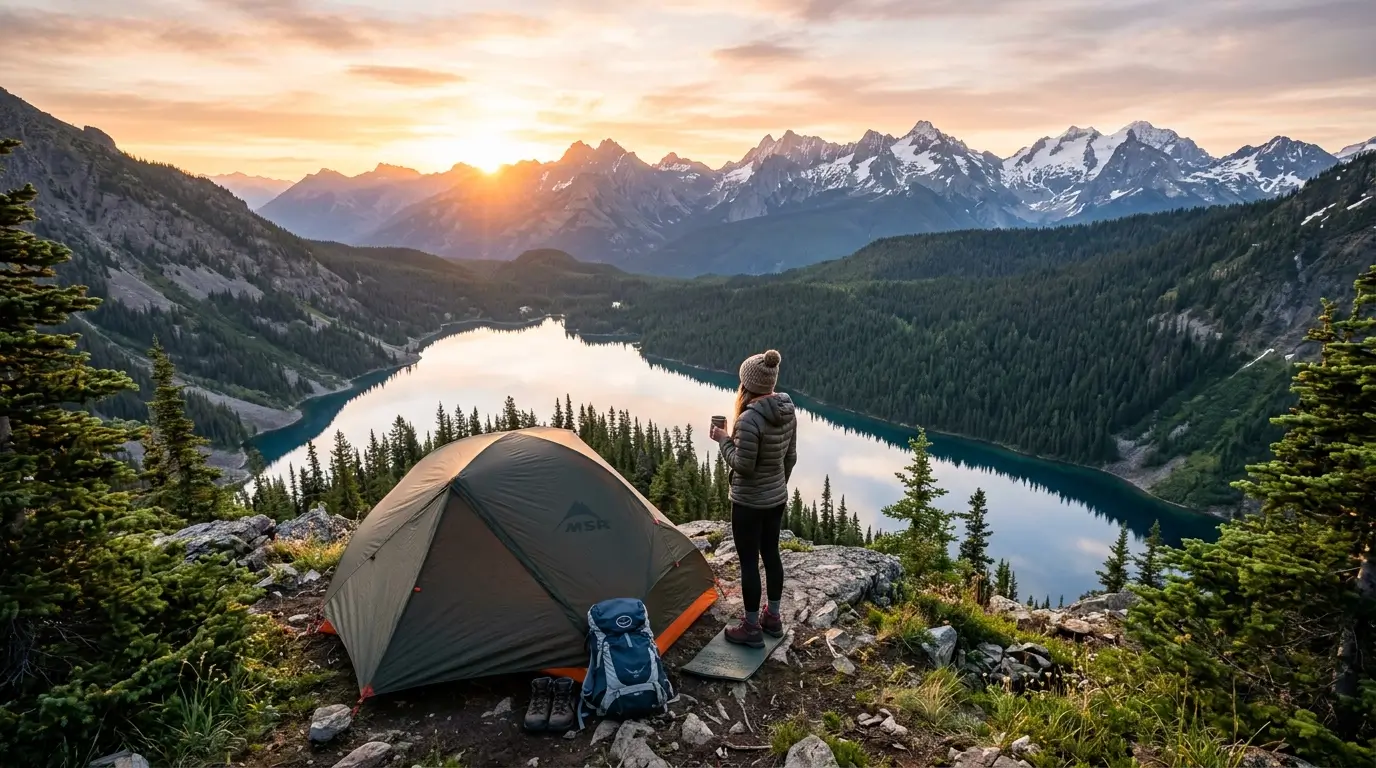
Learning how to camp for free is one of the most liberating skills any outdoor enthusiast can develop. It opens up a world of wild, uncrowded landscapes that most tourists never discover. We’re talking about sleeping beneath a canopy of stars without a reservation, a fee, or a neighbor three feet away with a generator humming all night.
In this guide, you’ll discover seven incredible spots where free camping is not only legal but genuinely spectacular. You’ll also get practical tips on how to find dispersed campsites, what rules you need to know, and how to camp responsibly so these spaces stay open for generations to come.
Whether you’re a first-time camper trying to save money or a seasoned adventurer craving true solitude, this article is your roadmap to budget-friendly outdoor adventure.
What Does “Free Camping” Actually Mean?
Before you pack your tent, it’s worth understanding what free camping really involves. Free camping — also called dispersed camping, boondocking, or wild camping — refers to camping outside of designated, fee-based campgrounds, typically on public land managed by federal or state agencies.
This is different from illegally pitching a tent somewhere. When you camp for free on public lands, you’re exercising your legal right as a citizen to enjoy land that belongs to everyone. The key is knowing which agencies allow it and following their specific rules.
Key Agencies That Allow Free Camping
- Bureau of Land Management (BLM): Manages over 245 million acres, mostly in the American West. Most BLM land allows dispersed camping for free.
- U.S. Forest Service (USFS): Manages 193 million acres of national forests and grasslands. Free dispersed camping is widely permitted.
- Army Corps of Engineers: Some areas around reservoirs allow free camping.
- State Forests: Many state forests allow free or low-cost camping with a simple permit.
National Parks generally do not offer free camping options, though a few backcountry permits are available at low cost. That’s an important distinction to keep in mind.
The Golden Rules of Free Camping
Free camping comes with responsibility. These aren’t just polite suggestions — they’re how you keep access open for everyone who comes after you.
- Leave No Trace: Pack out everything you pack in. Leave your campsite cleaner than you found it.
- Camp at least 200 feet from water sources, trails, and roads. This protects ecosystems and gives you privacy.
- Follow the 14-day rule: Most public lands limit free camping stays to 14 consecutive days in one location.
- Respect fire restrictions: Always check current fire bans before building a campfire.
- Bury human waste properly: Dig a cat hole 6 to 8 inches deep, at least 200 feet from water.
- Keep noise to a minimum: You’re in nature. Act like it.
7 Top Spots for Free Camping You Must Try
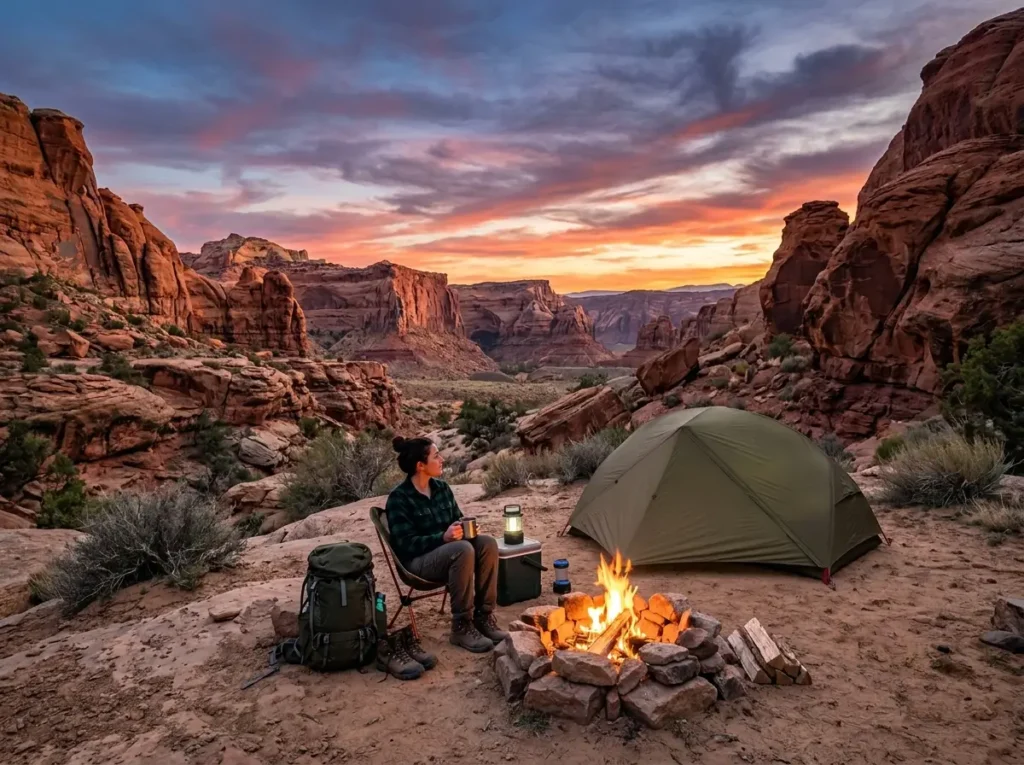
Now let’s get to the good stuff. These seven locations represent some of the best places in the United States to camp for free. Each one offers a unique experience, stunning scenery, and that rare gift of genuine solitude.
1. BLM Land in Moab, Utah
Moab is famous for its red rock canyons, mountain biking trails, and jaw-dropping sunsets. What many visitors don’t realize is that massive stretches of BLM land surrounding the town are completely free to camp on.
Areas like the Kane Creek Road corridor and Cameo Cliffs offer dispersed camping with stunning views of sandstone formations. You can wake up with a view that rivals anything inside Arches National Park — without spending a dime on campsite fees.
- Best for: Mountain bikers, rock climbers, stargazers
- Season: Spring and fall (summer heat can be brutal)
- Tip: Download the BLM’s online maps or use apps like FreeRoam or iOverlander to pinpoint legal dispersed sites
2. Gifford Pinchot National Forest, Washington
Named after America’s first Chief of the U.S. Forest Service, Gifford Pinchot National Forest covers over 1.3 million acres in southern Washington state. It’s a land of volcanic peaks, ancient lava tubes, and old-growth Douglas fir forests.
Free dispersed camping is allowed throughout most of the forest, and the scenery — particularly around the Goat Rocks Wilderness — is absolutely world-class. Hikers will find access to the Pacific Crest Trail right from their campsite.
- Best for: Hikers, wildflower enthusiasts, PCT through-hikers
- Season: June through September
- Tip: Some wilderness areas require a free self-issue permit — pick one up at the trailhead
3. The Ozark National Forest, Arkansas
Arkansas doesn’t always make it onto the bucket lists of serious campers, and that’s exactly why it’s so special. The Ozark National Forest offers rugged limestone bluffs, crystal-clear swimming holes, and miles of uncrowded trails.
Free dispersed camping is available throughout the forest, and the Buffalo National River — the first national river in the U.S. — runs nearby. Float the river by day, camp on the gravel bars for free at night.
- Best for: Families, paddlers, wildflower hikers
- Season: Spring and fall
- Tip: The Highway 7 scenic byway runs through the heart of the forest and offers easy access to dispersed camping areas
4. Desert Southwest: Arizona Strip BLM Land
The Arizona Strip is the remote strip of land between the Grand Canyon’s North Rim and the Utah state line. It’s one of the most isolated and dramatically beautiful landscapes in North America — and BLM land here is vast, accessible, and free to camp on.
The area around Vermilion Cliffs National Monument is particularly stunning, with Coyote Buttes and The Wave drawing photographers from around the world. Camp just outside permit-required areas and enjoy the surrounding scenery for free.
- Best for: Photographers, solitude seekers, 4WD enthusiasts
- Season: March through May, September through November
- Tip: A high-clearance vehicle is helpful but not always required — check road conditions at the local BLM field office
5. Shoshone National Forest, Wyoming
As the oldest national forest in the United States, Shoshone National Forest sits on the eastern border of Yellowstone and covers over 2.4 million acres. Free dispersed camping is permitted throughout most of the forest, outside designated campground zones.
The Beartooth Highway — often called the most scenic drive in America — cuts through this forest, and the camping along its edges is absolutely breathtaking. You might share your campsite views with elk, moose, and even grizzly bears, so bear canisters are a must here.
- Best for: Wildlife watchers, fly fishers, alpine hikers
- Season: July through September
- Tip: Bear-resistant food storage is required — carry an approved canister or use provided bear boxes at trailheads
6. Ocala National Forest, Florida
Free camping in Florida? Absolutely. The Ocala National Forest is the southernmost national forest in the continental U.S. and offers one of the most unique camping environments you’ll find anywhere. Think crystal-clear natural springs, subtropical scrub, and more wildlife than you can count.
The Florida National Scenic Trail passes through the forest, and dispersed camping is allowed in much of the backcountry. The contrast of camping for free just miles from the springs that draw thousands of tourists is honestly remarkable.
- Best for: Year-round camping, swimmers, trail runners
- Season: October through April (summer can be hot, humid, and buggy)
- Tip: Bring strong insect repellent and check for hunting seasons before you go
7. Central Idaho BLM Land and Sawtooth National Forest
Idaho is wildly underrated as a camping destination, and the Sawtooth region is its crown jewel. The Sawtooth National Recreation Area and surrounding BLM land offer free dispersed camping with access to over 700 miles of trails, 40 mountain peaks over 10,000 feet, and hundreds of pristine alpine lakes.
The Salmon River corridor in particular offers some stunning riverside dispersed camping that feels almost absurdly beautiful for something that costs you nothing.
- Best for: Backpackers, fly fishers, peak baggers
- Season: Late June through September
- Tip: The Stanley area gets busy in August — aim for weekday camping or explore the less-visited White Cloud Peaks
Quick Comparison: 7 Free Camping Spots at a Glance
| Location | State | Land Type | Best Season | Best For |
|---|---|---|---|---|
| Moab BLM Land | Utah | BLM | Spring / Fall | Bikers, climbers |
| Gifford Pinchot NF | Washington | National Forest | June – Sept | Hikers, PCT fans |
| Ozark National Forest | Arkansas | National Forest | Spring / Fall | Families, paddlers |
| Arizona Strip BLM | Arizona | BLM | Spring / Fall | Photographers |
| Shoshone National Forest | Wyoming | National Forest | July – Sept | Wildlife, fishing |
| Ocala National Forest | Florida | National Forest | Oct – April | Year-round campers |
| Sawtooth / Idaho BLM | Idaho | BLM / NF | Late June – Sept | Backpackers, anglers |
How to Find Free Camping Near You
You don’t have to travel across the country to camp for free. There are excellent resources for finding dispersed camping close to home.
Best Apps and Tools for Finding Free Campsites
- Freecampsites.net: A crowdsourced database of thousands of free camping locations across North America.
- iOverlander: Popular with overlanders and van campers, covers both U.S. and international spots.
- FreeRoam: Shows BLM and national forest boundaries on satellite maps so you can pinpoint legal dispersed zones.
- Gaia GPS: Premium mapping app with public land overlays — invaluable for serious dispersed campers.
- BLM’s official website: Each state BLM office publishes detailed maps and camping regulations for their jurisdiction.
Tips for Scouting Your Own Free Campsite
- Look for forest service roads (marked FR on maps) — they often lead to excellent dispersed sites.
- Use Google Earth to scout areas before you leave home.
- Call the local ranger district office — they’re often happy to share specific free camping areas.
- Join online communities like Reddit’s r/CampingandHiking or Facebook groups for your target region.
Essential Gear for Free Camping Success
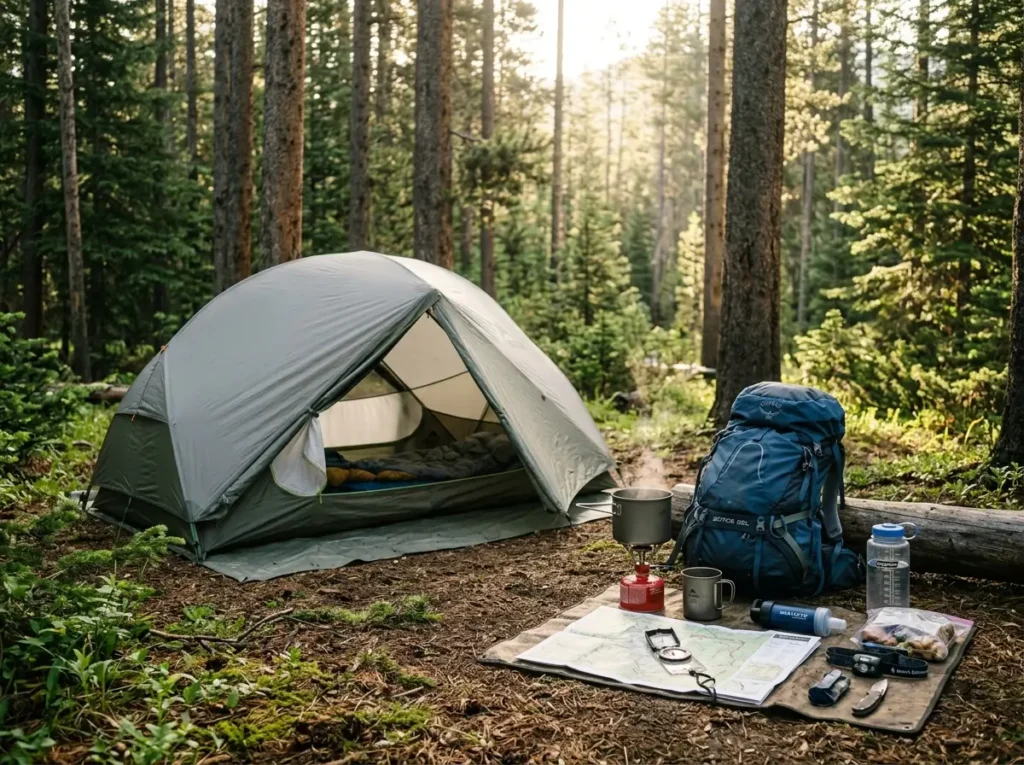
Unlike established campgrounds, dispersed sites rarely have amenities. You need to be self-sufficient. Here’s what to prioritize:
- Water filtration system: A Sawyer Squeeze or Katadyn BeFree is essential when potable water isn’t available.
- Portable camp toilet or WAG bags: Required in some fragile ecosystems and always a responsible choice.
- Navigation tools: Download offline maps — cell service is often nonexistent in dispersed camping areas.
- Bear canister or hang system: Required in many backcountry areas and smart practice everywhere.
- First aid kit: You’re often miles from help — be prepared.
- Solar charger or power bank: Keep your phone and navigation devices charged off-grid.
Key Takeaways
- Free camping — or dispersed camping — is legal on most BLM and National Forest land in the U.S.
- The 14-day rule applies at most sites: you must move on after two weeks.
- Always follow Leave No Trace principles to protect the land and keep access open for future campers.
- Apps like Freecampsites.net, FreeRoam, and Gaia GPS make finding free campsites easier than ever.
- Preparation is everything — dispersed sites have no amenities, so bring water filtration, navigation tools, and proper waste disposal gear.
- Some of the most beautiful camping in America is completely free — you just need to know where to look.
Frequently Asked Questions
Is it really legal to camp for free on public land?
Yes, in most cases it is completely legal. The Bureau of Land Management and the U.S. Forest Service allow dispersed camping on the majority of the land they manage. The key is to verify rules for the specific area you’re visiting, as some zones are closed to camping or require permits.
How long can you stay at a free campsite?
Most public lands enforce a 14-day limit for dispersed camping in any one location. After 14 days, you must move at least 25 miles away before you can camp again in the same jurisdiction.
Do I need a permit to camp for free?
Most BLM and National Forest dispersed camping doesn’t require a permit. However, some wilderness areas and high-use zones require a free self-issue permit available at the trailhead. Always check with the local land management office before you go.
What’s the difference between dispersed camping and boondocking?
These terms are often used interchangeably. “Dispersed camping” is the official land management term for camping outside designated campgrounds. “Boondocking” is more commonly used in the RV and van life community to describe camping off-grid without hookups, often for free on public land.
Can I have a campfire at a free campsite?
Campfires are often allowed at dispersed sites, but they’re subject to seasonal fire restrictions and local regulations. Always check current fire ban status through the local forest service or BLM website before you arrive — and never leave a fire unattended.
How do I find free camping spots near me?
The best ways to find free camping near you include using apps like Freecampsites.net or FreeRoam, checking the BLM and USFS websites for your state, and calling your local ranger district office. Many experienced campers also recommend consulting satellite maps on Google Earth to scout forest service roads that often lead to great dispersed sites.
What should I do with trash and waste at a free campsite?
Pack out all trash — there are no garbage services at dispersed sites. For human waste, dig a cat hole 6 to 8 inches deep and at least 200 feet away from water, trails, and your campsite. In some fragile or high-use environments, WAG bags (waste alleviation and gelling bags) are required for packing out solid waste entirely.
Is free camping safe?
Free camping can be very safe when you prepare properly. Let someone know your plans and location, download offline maps, carry a first aid kit, and be aware of wildlife in your area. In bear country, use proper food storage. Cell service is often limited, so a personal locator beacon (PLB) or satellite communicator like a Garmin inReach is a smart investment for remote areas.
Conclusion
The outdoors shouldn’t have a price tag — and with the right knowledge, it doesn’t have to. Learning how to camp for free opens a completely different relationship with the natural world. You’re not parking your tent in a numbered slot between two RVs. You’re finding your own corner of the wilderness, waking up to silence, and experiencing nature on its own terms.
From the red rock dreamscapes of Utah to the volcanic forests of Washington, the seven spots in this guide represent just a fraction of the free camping opportunities waiting for you across America. Millions of acres of public land are yours to explore — you simply need to show up, be responsible, and leave them better than you found them.
The camping fee you don’t pay is nice. But the sense of freedom, the views, and the memories you take home? Those are priceless.
Ready to Start Your Free Camping Adventure?
Don’t let another weekend pass by stuck at home or overpaying for a crowded campground. Pick one of these seven locations, download a free camping app, and start planning your first dispersed camping trip today.
Share this article with a fellow outdoor lover who needs to know how to camp for free