What to Bring Camping First Time: Complete Beginner Checklist (So You Don’t Forget Anything Important)
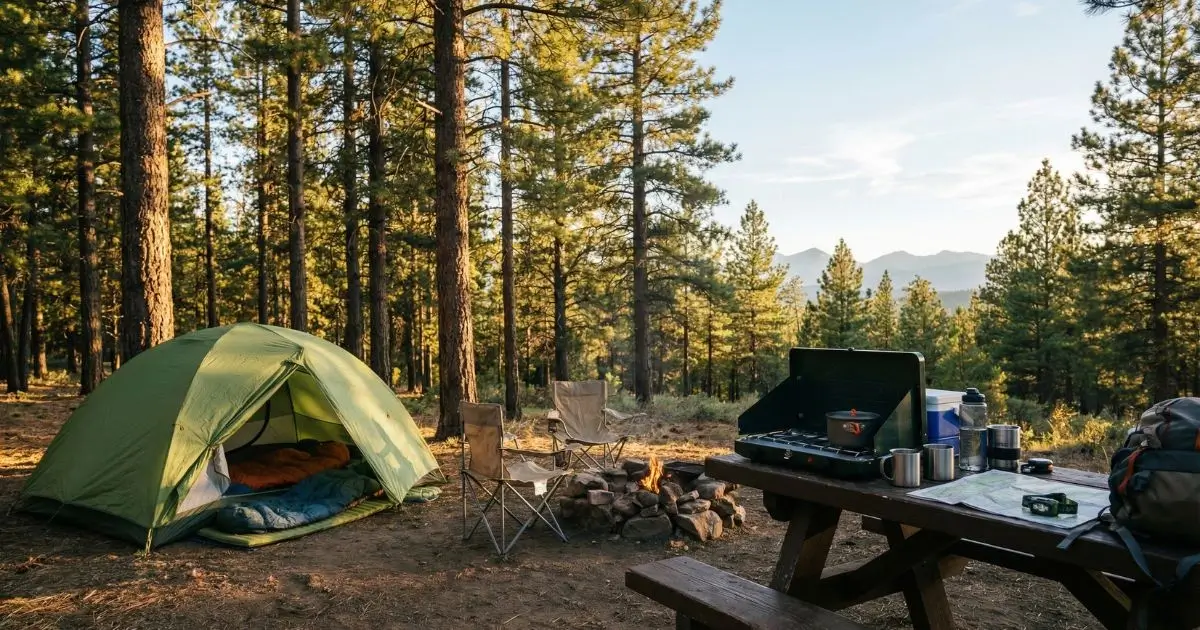
You picture your first night under the stars: the glow of the campfire, the smell of pine, the quiet that feels almost unreal compared to everyday noise. Then a different thought creeps in:
What if you forget something you really need?
Most first-time campers bounce between two extremes—hauling half their house to the campsite or showing up with a sleeping bag, some snacks, and the uneasy feeling they’ve missed something big. You don’t need either of those experiences.
This beginner-friendly guide to what to bring camping first time gives you a clear, practical checklist so you can step out of your car, set up camp, and actually relax. You’ll know what’s essential, what’s just nice to have, and what you can leave at home.
Table of Contents
How to Use This First-Time Camping Checklist
Before you start tossing gear into the trunk, it helps to have a plan.
This first-time camping checklist is designed for:
- Car camping (you park at or near your campsite)
- Developed campgrounds (usually with toilets, water, or both)
You’ll see items grouped into categories:
- Shelter & sleep
- Kitchen & food
- Clothing & footwear
- Personal items & toiletries
- Safety & comfort
To get the most out of it:
- Treat “must-have” items as non‑negotiable for your first trip.
- Add “optional” items if you have space and want extra comfort.
- Print the list or save it on your phone and check items off:
- once while packing at home
- once before you drive away from the campsite (so you don’t leave gear behind)
You can easily scale this list up or down based on:
- How many nights you’re camping
- The weather and season
- How many people are coming with you
Essential Camping Gear for Beginners (Core “What to Bring Camping First Time” List)
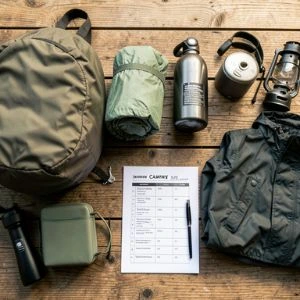
These are the things that can make or break your first trip. If you focus on getting your shelter, sleep, food, and basic safety right, the rest is fine-tuning.
Shelter & Sleep System: Tent, Sleeping Bag & Sleeping Pad
Think of this as your portable bedroom. If you sleep well, everything else feels easier.
Tent
Look for:
- A 3-season tent (spring, summer, fall) – ideal for beginners
- A size that’s slightly bigger than the label:
- “2-person” tent = tight for two adults
- If you want room for bags, size up (e.g., 3-person tent for 2 people)
- A full-coverage rainfly that reaches near the ground
- Easy setup (color‑coded poles or simple clips)
Sleeping bag
Key details:
- Choose a temperature rating a bit lower than the coldest night you expect.
- Example: If nights may drop to 40°F (4°C), look for a bag rated around 30°F (–1°C).
- Synthetic insulation is:
- More affordable
- More forgiving if it gets damp
- Down is warmer and lighter but costs more and dislikes moisture.
Sleeping pad
This isn’t a luxury; it’s what keeps you from losing all your body heat to the cold ground.
- Foam pads: durable, cheap, less comfortable
- Inflatable or self-inflating pads: more comfortable, pack smaller
- Look at the R‑value (insulation rating):
- 2–3: mild nights
- 3–5: cooler conditions
Nice extras
- Tent footprint or tarp under your tent to protect the floor
- Pillow (camp pillow or a stuff sack filled with clothes)
Pack this for shelter & sleep:
- Tent (with poles, stakes, and guylines)
- Tent footprint or tarp (optional but smart)
- Sleeping bag (appropriate temperature rating)
- Sleeping pad
- Pillow or pillow substitute
Camp Kitchen Basics: What Food & Cooking Gear to Bring Camping First Time
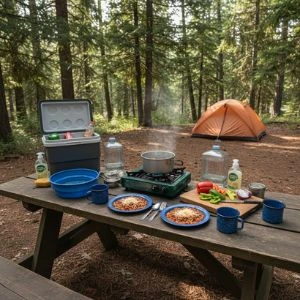
You don’t need gourmet chef-level equipment. You just need gear that lets you boil water, heat simple meals, and clean up without a hassle.
Cooking setup
The easiest option for your first trip:
- Propane camp stove with:
- Compatible fuel canister
- Stable surface (campground picnic table works great)
- Fire cooking is fun but:
- Not always allowed (check fire restrictions)
- Trickier to control for first-timers
Must-have camp kitchen gear
- Stove + fuel
- Lighter and waterproof matches (backup)
- 1–2 pots or pans (one pot is often enough)
- Cooking utensils:
- Spatula, stirring spoon, small knife
- Eating gear:
- Plate or bowl per person
- Mug or cup
- Spoon/fork or spork
- Small cutting board
- Biodegradable soap and a scrubber or sponge
- Dish towel or small rag
- Cooler with ice packs (if you’re bringing perishables)
Food planning basics
Keep it simple. You’re not there to recreate your home kitchen.
- Focus on:
- One‑pot meals
- Foods that are easy to assemble and cook
- Good beginner options:
- Instant oatmeal or granola for breakfast
- Sandwiches, wraps, fruit, nuts for lunch
- Pasta, chili, pre-cooked rice with canned beans or curry for dinner
- Prep at home:
- Pre-chop vegetables
- Pre-marinade meats in zip bags (kept cold in the cooler)
Water
- Aim for 2–3 liters per person per day, plus extra for cooking and cleaning.
- Check if your campground has potable water:
- If yes: you can refill bottles and jugs on site.
- If no: bring large water containers or a water filter.
Clothing & Footwear: What to Wear Camping for the First Time
You don’t need specialized clothing to start camping, but you do need layers that work with the weather.
Layering basics
Think in three layers:
- Base layer – next to your skin; moves sweat away
- Mid-layer – traps warmth
- Outer layer – blocks wind and rain
Whenever possible, avoid cotton for your base layer. It holds moisture and can leave you chilled.
Essential clothing items
- Base layer top (synthetic or wool)
- T‑shirts (synthetic or wool preferred)
- Light fleece or insulated jacket
- Rain jacket (ideally breathable)
- Hiking pants or comfortable athletic pants
- Shorts if weather allows
- 2–3 pairs of socks (wool or synthetic)
- Underwear (plus a spare set)
- Sleepwear (sweats or base layers work well)
- Sun hat or cap
- Warm hat and gloves if nights may be cool
Footwear
- Hiking shoes or boots:
- Comfortable and already broken in
- Good traction, especially if trails are rocky or muddy
- Camp shoes or sandals:
- Something easy to slip on for bathroom trips and relaxing at camp
Lighting, Navigation & Power Essentials
Once the sun drops, you’ll appreciate every light source you packed.
Lighting
- Headlamp (best choice):
- Hands‑free
- Lightweight
- Bring spare batteries
- Small lantern:
- For inside the tent or on the picnic table
- Battery-powered is easiest
Navigation & power
- Fully charged phone
- Offline maps downloaded for the area
- Paper map and simple compass as backup
- Power bank with charging cable
Try not to rely on your phone alone for light and navigation. Batteries run down faster in the cold and when you’re constantly using the flashlight.
Personal Items & Toiletries for Your First Camping Trip
You can be outdoorsy and still feel reasonably clean.
Toiletries & Hygiene Camping Essentials
Pack the basics, but remember: you’re not going to a spa.
Core toiletries
- Toothbrush and toothpaste
- Biodegradable soap (for hands or body)
- Deodorant
- Quick‑dry towel or small camping towel
- Hairbrush or comb (if you use one)
Bathroom and hygiene items
- Toilet paper (in a plastic or zip bag to keep it dry)
- Hand sanitizer
- Wet wipes (pack out used wipes with your trash)
- Small trash bags (for toilet paper, wipes, and other waste)
- Trowel, if your campsite doesn’t have toilets and local rules require you to bury waste
Try to follow Leave No Trace principles: everything you pack in should come back out with you, including hygiene products.
Health, Medications & First-Aid Kit
You don’t need a professional-level medical kit, but you should be ready for minor issues.
Basic first-aid kit items
- Adhesive bandages in several sizes
- Gauze pads and medical tape
- Antiseptic wipes or ointment
- Blister treatment (moleskin or blister pads)
- Tweezers (for splinters or ticks)
- Pain relievers (ibuprofen, acetaminophen, etc.)
- Antihistamines (for allergies or mild reactions)
Personal health items
- Any prescription medications (enough for your trip + one extra day)
- Sunscreen (SPF 30+ recommended)
- SPF lip balm
- Insect repellent (DEET, picaridin, or other formula you prefer)
Documents, Money & Miscellaneous Items
These things are easy to overlook until you’re standing at a gate or campground kiosk.
Pack:
- ID (driver’s license or other ID)
- Campground reservation confirmation (printed or saved offline)
- Park pass or entry permit (if required)
- Health insurance card (or a photo of it)
- Some cash for:
- Firewood
- Showers
- Small campground fees
- Pen and small notebook
- Simple entertainment (book, playing cards, travel-sized games)
Safety, Comfort & “Just in Case” Items for First-Time Campers
A few small extras can make you feel far more confident and comfortable when you’re new to camping.
Safety Gear: Tools, Fire & Emergencies
Useful tools
- Multi-tool or pocketknife
- Duct tape (wrap a bit around your water bottle or trekking pole)
- Paracord or sturdy cord (for drying lines, quick repairs)
Fire essentials
- Lighter (plus a backup)
- Waterproof matches
- Fire starters:
- Store‑bought cubes or
- Cotton balls dipped in petroleum jelly stored in a small container
Always follow local fire regulations and use established fire rings only.
Emergency items
- Whistle (three short blasts is a universal distress signal)
- Emergency blanket (light, cheap, packs tiny)
- Small backup light or mini flashlight
- List of local emergency numbers (saved on your phone and written on paper)
Comfort Items That Make First-Time Camping Feel Like Home
You don’t need these to survive, but you’ll be glad you brought them.
- Folding camp chairs
- Small camp table (if your site doesn’t have a picnic table)
- Lightweight hammock (check tree and park rules)
- Extra blanket for around the fire or inside your tent
- Earplugs and eye mask (great for noisy campgrounds or early sunrises)
- Battery-powered string lights for a cozy campsite feel
- A favorite mug, hoodie, or small comfort item from home
Sample First-Time Camping Packing List (Beginner Checklist Table)
Here’s a quick‑scan “what to bring camping first time” overview. Use this as your master checklist.
Beginner Camping Gear Checklist Table
| Category | Item | Must-Have or Optional | Notes for Beginners |
| Shelter & Sleep | 3‑season tent | Must‑have | Size up for comfort; practice pitching it at home. |
| Shelter & Sleep | Tent footprint or tarp | Optional (smart) | Protects tent floor from rocks, sticks, and moisture. |
| Shelter & Sleep | Sleeping bag | Must‑have | Choose rating a bit colder than expected low temps. |
| Shelter & Sleep | Sleeping pad | Must‑have | Adds warmth and comfort; don’t skip it. |
| Shelter & Sleep | Pillow | Optional | Camp pillow or stuff sack filled with clothes. |
| Kitchen | Camp stove + fuel | Must‑have | Easiest way to cook consistently. |
| Kitchen | Lighter + matches | Must‑have | Always bring two ways to start a flame. |
| Kitchen | Pot/pan & cooking utensils | Must‑have | One pot and spoon often cover most meals. |
| Kitchen | Plates/bowls/mugs & cutlery | Must‑have | One full set per camper. |
| Kitchen | Cooler + ice packs | Optional | Needed for meat, dairy, and fresh foods. |
| Water | Water bottles or jugs | Must‑have | 2–3 L per person/day plus cooking and cleaning. |
| Clothing | Base layer & warm layer | Must‑have | Essential for changing weather and evenings. |
| Clothing | Waterproof jacket | Must‑have | Sudden showers are common in many areas. |
| Clothing | Extra socks & underwear | Must‑have | Always pack a dry spare set. |
| Footwear | Hiking shoes/boots | Must‑have | Break in before your trip to avoid blisters. |
| Footwear | Camp sandals/shoes | Optional | Great for relaxing and shower runs. |
| Lighting | Headlamp | Must‑have | Hands‑free and reliable; pack extra batteries. |
| Lighting | Lantern | Optional | Makes cooking and playing games easier at night. |
| Navigation & Power | Map, compass, offline maps | Must‑have | Cell service can disappear quickly. |
| Toiletries | Toothbrush, toothpaste, soap | Must‑have | Keep in a small, easy‑to‑grab bag. |
| Toiletries | Toilet paper, hand sanitizer | Must‑have | Don’t assume the campground bathroom is fully stocked. |
| Health & First Aid | First‑aid kit | Must‑have | Include blister care and any personal meds. |
| Health & First Aid | Sunscreen & insect repellent | Must‑have | Protects against burns and bites. |
| Safety | Multi‑tool or knife | Must‑have | Handy for food prep and small repairs. |
| Safety | Whistle, emergency blanket | Optional (recommended) | Tiny items that provide big peace of mind. |
| Comfort | Camp chairs | Optional | Transform the campsite into an outdoor living room. |
| Comfort | Extra blanket | Optional | Useful for chilly nights or sitting by the fire. |
| Fun | Cards/book/games | Optional | Perfect for downtime or rainy periods. |
Customizing What to Bring Camping First Time
Your exact list will change with the season, location, and style of camping, but the basics stay the same.
Adjusting for Season & Weather
Cool or shoulder seasons (spring, fall)
Add or upgrade:
- Warmer sleeping bag
- Higher R‑value sleeping pad
- Beanie, gloves, thicker socks
- Extra mid‑layer (fleece or puffy jacket)
Hot summer trips
Focus on:
- Breathable clothing
- Lightweight sleep system (light bag or even just a sleep sheet)
- Extra water and electrolytes
- Shade options (hat, sunshade, or tarp if allowed)
Always check the weather forecast just before you leave and adjust your clothing and sleep gear accordingly.
Trip Type: Car Camping vs. Backpacking
For this guide, you’re likely car camping, but it helps to understand the difference.
- Car camping
- You can pack heavier, bulkier items (cooler, big tent, camp chairs).
- Comfort items are easier to justify.
- Backpacking
- Everything goes on your back.
- You’ll trim this list to the lightest essentials and multi‑use items.
- You’ll usually skip things like heavy coolers or large lanterns.
Trip Length & Group Size
- 1–2 night trip
- Ideal for your first time.
- One set of day clothes, sleep clothes, plus spare socks/underwear.
- Simpler food plan (repeat meals if you want).
- 3+ nights
- Slightly more variety in meals.
- Extra fuel and more clothing options.
- Group camping
- Share:
- Tent space
- Stove and fuel
- Cooler
- Lantern and common kitchen gear
- Create a group checklist so everyone knows who brings what.
- Share:
Packing & Organization Tips for First-Time Campers
Good organization means you don’t end up tearing your car apart in the dark looking for a headlamp.
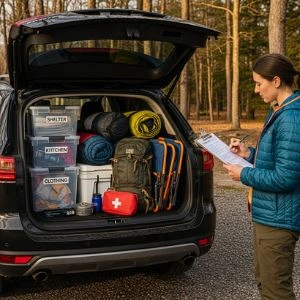
How to Pack Your Car for Camping
- Put heavy items (cooler, water) low and near the center of the car.
- Use plastic bins or tubs for:
- Kitchen gear
- Food
- Miscellaneous camp items
- Keep a “first to unpack” bag handy with:
- Headlamp
- Warm layer
- Toiletries
- Snacks
- Store tent and sleep system where you can reach them easily in case you arrive close to sunset.
Quick Camping Meal Ideas You Can Pack in Minutes
If you want no‑stress food planning, you can copy these straight into your list:
- Breakfast
- Instant oatmeal packets + nuts + dried fruit
- Granola with powdered milk or shelf-stable milk cartons
- Lunch
- Tortillas + peanut butter + banana
- Hummus, crackers, carrot sticks
- Dinner
- Pasta + jarred sauce + pre‑cooked sausage
- Chili from canned beans + canned tomatoes + spice packet
- Pre‑made curry pouch + instant rice
Common First-Time Camping Mistakes (and How to Avoid Them)
You can sidestep a lot of common problems just by knowing they’re coming.
1. Overpacking “just in case”
- Solution: Stick to your beginner camping checklist and be honest about what you’ll really use.
2. Underestimating how cold nights feel
- Solution: Bring:
- Proper sleeping bag
- Insulated pad
- Extra blanket or warm layer
3. Forgetting small essentials
- Solution: Pack using a written list. Double-check items like:
- Lighter
- Toothbrush
- Medications
- Phone charger
- Headlamp
4. Complicated meals with too many ingredients
- Solution: Keep meals simple for your first few trips. You can always get fancy later.
5. Not following Leave No Trace
- Solution: Pack trash bags, know how to dispose of waste properly, and never leave food or trash out for wildlife.
Conclusion: Feel Prepared, Not Overwhelmed
Your first camping trip doesn’t have to be a guessing game. When you know what to bring camping first time, you’re free to focus on what you came for:
- The quiet moments by the fire
- The way the sky looks when you step out of your tent at night
- The feeling of waking up outdoors and realizing you did this—you set up your own little home outside
Use this checklist as your starting point. After your trip, note what you actually used, what you wished you had, and what never left the car. That’s how you build a dialed‑in camping kit that fits the way you like to travel.
If you’re getting ready to book your first campsite, take this list, tailor it to your destination, and start packing today. The sooner you go, the sooner you’ll realize just how capable you really are out there.
FAQs: What to Bring Camping First Time
What should I prioritize buying if I’m on a budget for my first camping trip?
If money’s tight, put most of your budget into:
- A reliable tent
- A warm-enough sleeping bag
- A decent sleeping pad
These three things affect your comfort more than any fancy extras. For camp chairs, lanterns, or even a cooler, see if you can borrow or rent for your first few trips.
What to bring camping first time if I’m car camping at a developed campground?
For a typical car-accessible site with toilets and maybe running water, focus on:
- Tent, sleeping bag, sleeping pad
- Simple camp stove + pot, utensils, and easy meals
- Clothing layers for day and night
- Headlamp, basic toiletries, first-aid kit, and insect repellent
You can usually skip a camp table (most sites have one) and advanced water treatment if potable water is available on-site.
Do I really need a sleeping pad, or can I just use blankets?
You really do want a sleeping pad. Blankets add softness but don’t block heat loss to the ground. A pad provides:
- Insulation from the cold ground
- Cushioning for shoulders, hips, and back
If you only upgrade one comfort item, let it be your pad.
How much food and water should I bring camping for the first time?
Use this as a starting point:
- Water: 2–3 liters per person per day, plus extra for cooking and cleaning
- Food:
- 3 simple meals per day
- Snacks you know you like (nuts, bars, fruit, crackers)
Bring a little more food than you think you’ll need; camping and walking around outside tend to increase your appetite.
What to bring camping first time if I’m not sure about the weather?
When in doubt, pack for layers and rain:
- Light base layer
- Warm mid-layer (fleece or insulated jacket)
- Waterproof jacket (and maybe pants)
- Extra dry socks
- Warm hat and thin gloves if temperatures might drop
Weather changes quickly in many outdoor areas, so it’s safer to be slightly over-prepared with clothing and sleep gear.
What can I leave at home on my first camping trip?
You can usually skip:
- Multiple changes of outfits for each day
- Large kitchen gadgets or complicated cooking gear
- Too many electronic devices
- Fragile or high-value items you’d worry about
Stick close to your “what to bring camping first time” checklist for essentials, then add just a handful of small comfort items that genuinely matter to you