When Does Camping Season Start? A Complete Beginner’s Guide
There’s a moment—usually sometime after the last ugly cold snap—when you catch yourself daydreaming about a quiet campsite. You can almost hear a zipper sliding open on a tent door. You can almost smell pine and woodsmoke. And if you’re new to camping, that daydream often comes with a question that’s surprisingly hard to answer:
When does camping season start?
You want to go when it’s fun, not miserable. You want bathrooms that are actually open. You want to sleep through the night without shivering or listening to rain hammering your tent like a drum. This guide breaks it all down so you can pick your first trip with confidence.
Table of Contents
What “Camping Season” Really Means (Why There’s No Single Start Date)
Camping season isn’t one universal date on the calendar. It’s the overlap of three realities:
- Weather season: When temperatures and storms are manageable for your gear and comfort.
- Campground season: When parks open roads, turn on water systems, and staff campgrounds (often seasonal).
- Demand season: When everybody else has the same idea—meaning crowds and full reservations.
If you’re a beginner, the best “start” is usually when nights are mild and campground services are running. You’ll learn faster and enjoy yourself more.
Quick Answer: When Does Camping Season Start? (Table by Region)
Below is a practical, beginner-friendly snapshot. Your exact timing depends on elevation and local conditions, but this will get you very close.
| Region / Climate Zone | Typical Camping Season Start | Best Beginner Months | What to Watch For |
| Southern U.S. (low elevation) | March–April | April–May | Rain, early heat, mosquitoes |
| Southwest deserts | February–March | March–April | Big day/night temperature swings |
| Pacific Coast (low elevation) | April–May | May–June | Wind, damp air, fog |
| Midwest (most areas) | April–May | May–June | Storms, muddy sites |
| Northeast (low elevation) | May | June–September | Black flies in late spring, cool nights |
| Mountain regions (Rockies/Sierra/Cascades) | June–July | July–September | Snowpack, road openings, cold nights |
| Canada (many provinces) | May–June | June–August | Late snow, mosquitoes, shorter shoulder seasons |
Rule you can trust: the higher you go, the later the season starts. A campsite at 8,000 feet can feel like a different planet than the nearby town.
The 6 Biggest Factors That Decide When Camping Season Starts
1) Nighttime Temperatures (Your Comfort Starts After Sunset)
Daytime weather can fool you. You might hike in a T-shirt at 2 p.m. and still have a rough night at 2 a.m.
Beginner-friendly guideline:
- If your overnight low is around 45°F / 7°C or warmer, most new campers with typical “3-season” gear are comfortable.
- If nights are below 40°F / 4°C, you’ll want warmer sleep gear and a better plan for staying dry.
Quick reality check on sleeping bag ratings: many sleeping bag “temperature ratings” are closer to survival than comfort. If your bag says 40°F, you may sleep best when it’s closer to 50°F—especially if you’re using a thin sleeping pad.
2) Elevation and Snowpack (Why Mountain Camping Starts Late)
In mountain regions, camping season is less about your enthusiasm and more about what winter left behind.
How elevation changes your timeline
- Snow can linger well into June or July on shaded slopes and high passes.
- Roads and campground loops can stay closed long after the weather feels “nice” in the valley.
Where to check: park websites (NPS), forest updates (USFS), local road pass reports, and snowpack tools like SNOTEL in the U.S.
3) Campground Open Dates (Facilities Matter More Than You Think)
A campground might exist on a map year-round, but it may not operate year-round.
In early season, you might find:
- No running water (winterized pipes)
- Vault toilets only (or closed restrooms)
- Limited trash service
- Closed roads or locked gates inside the park
If you’re still learning your routine, choose campgrounds with services. You’ll feel calmer, and small problems won’t snowball.
4) Rain, Mud Season, and Flood Risk
Spring can be beautiful—and messy.
- Snowmelt can turn campsites into mud pits.
- Rivers can run high, flooding low-lying areas.
- Wet ground plus cold air is the classic recipe for a miserable first trip.
If you’re new, avoid “maybe it’ll dry out” weekends. Pick a forecast with a clean window.
5) Bugs (They Can Define Your Whole Experience)
Bugs don’t just show up; they explode when conditions line up.
Common patterns:
- Mosquitoes: after rain + warmth (often late spring through summer)
- Ticks: spring through fall in many regions (woods, grass, leaf litter)
- Black flies: infamous in parts of the Northeast and Canada in late spring
You don’t need to fear bugs, but you should plan for them:
- Use repellent (follow label directions)
- Wear long sleeves/pants when needed
- Do tick checks daily (CDC guidance is solid here)
6) Fire Season and Restrictions (Summer Can Limit Your Campfire)
In many areas, especially in the West, the middle of “peak camping season” can also mean fire restrictions.
That can affect:
- Campfires (no flames, even in fire rings)
- Charcoal grills
- Sometimes even stoves during extreme conditions
Always check current restrictions through local agencies or tools like InciWeb before you go.
Month-by-Month: When You’ll Enjoy Starting (As a Beginner)
March–April: Early Spring Camping (Best at Lower Elevations)
This is a great time if you live in warmer regions or you’re targeting deserts and southern parks.
What you’ll love:
- Quiet campgrounds
- Cooler hiking temps in warmer climates
What can bite you:
- Cold nights
- Rainy weekends
- Muddy sites
Beginner tip: pick a campground within a short drive of home so you can leave if conditions turn.
May–June: The “Yes, This Feels Like Camping” Start
For many people, this is the true answer to when does camping season start.
Why it works:
- More campgrounds open fully
- Nights are milder
- Daylight lasts longer
What to plan for:
- Busier weekends
- Bugs ramping up
- Afternoon storms in some regions
July–August: Peak Season (Most Access, Most Crowds)
Everything is open, but so is everybody’s calendar.
Pros:
- Warm nights in many areas
- High-elevation access finally opens
Cons:
- Heat waves (especially in the South/Midwest)
- Wildfire smoke in some regions
- Reservations can be hard to get
September–October: Shoulder Season Sweet Spot
If you want the “best value” camping season, fall often wins.
Why you’ll like it:
- Fewer crowds
- Cooler days, crisp nights
- Great views (especially foliage)
What changes fast:
- Nights get colder quickly
- Some campgrounds reduce services after Labor Day
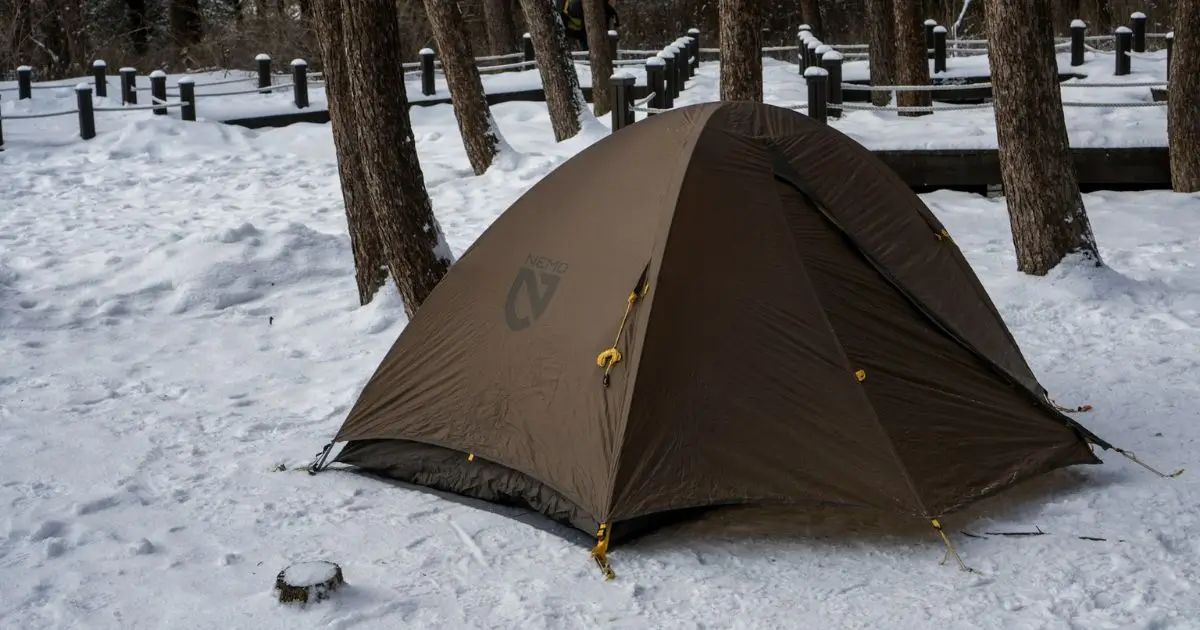
November–February: Winter Camping (Not the Best “First Season”)
You can camp in winter, but if you’re new, it’s much easier to start with:
- heated cabins
- glamping tents
- campgrounds open year-round near mild climates
How to Pick Your First Camping Weekend (A Simple Checklist)
Use this like a quick filter so you don’t overthink it.
- Choose car camping for your first trip (you can bring more gear and leave easily).
- Check the overnight low—aim for 45°F / 7°C or warmer if possible.
- Confirm the campground is open and see what services are operating (water, toilets, trash).
- Look up local fire restrictions.
- Scan for recent alerts: storms, flooding, high winds, wildfire smoke.
- Pick a Plan B campsite or a nearby hotel option if weather flips.
Where to check quickly: NOAA/Weather.gov for forecasts, and park pages (NPS/USFS/state parks) for closures and operating seasons.
What to Pack Based on When Camping Season Starts in Your Area
Beginner Core Packing List (Works Most of the Season)
- Tent + stakes + rainfly
- Sleeping bag + sleeping pad (the pad matters for warmth)
- Headlamp + spare batteries
- Stove + fuel + lighter/matches (stored safely)
- Water jugs/bottles + treatment method if needed
- First aid kit
- Food storage (cooler, bear canister, or lockers—follow local rules)
- Clothing layers: base layer, warm layer, rain/wind shell
- Trash bags (pack out what you pack in)
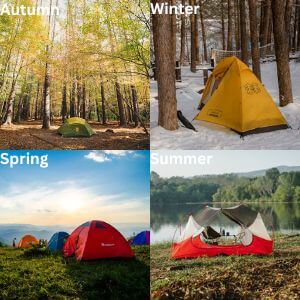
Spring vs Summer vs Fall Add-Ons
Spring add-ons
- Extra warm sleep layer (beanie and dry socks go a long way)
- Tarp/footprint to deal with wet ground
- Hand warmers (nice, not necessary)
Summer add-ons
- Bug spray and/or head net (in buggy regions)
- Shade tarp and extra water capacity
- Electrolytes for hot days
Fall add-ons
- Warmer bag or sleeping bag liner
- Insulated jacket
- Extra lighting (nights feel suddenly short)
Reservations, Permits, and Crowds (How Early Should You Plan?)
Some campgrounds open reservations months ahead (many are listed on Recreation.gov or state systems). If you’re aiming for:
- holiday weekends
- popular national parks
- beach campsites
- mountain lakes in summer
…you may need to book far in advance.
If everything is booked, try this instead
- Camp Sunday–Thursday instead of weekends
- Look at county parks and lesser-known state parks
- Choose first-come, first-served campgrounds (arrive early)
- Consider dispersed camping only if you’re comfortable with fewer services and you understand local rules
Beginner Safety Basics (Early Season and Peak Season)
Cold + Wet Is the Classic Problem
You don’t need extreme cold for trouble—wet clothes and wind can chill you fast.
Your priorities:
- keep one set of clothes dry for sleeping
- don’t “push through” if you’re soaked and shivering
- warm up with dry layers, shelter, and warm drinks
Heat and Sun (Peak Season Reality)
- Drink consistently, not only when you feel thirsty
- Plan shade breaks
- Avoid the hottest part of the day for long hikes
Thunderstorms and Lightning
If storms are forecast:
- avoid exposed ridges and lone tall trees
- don’t wait until it’s overhead to make a move
- your vehicle can be a safer shelter than an open campsite
Conclusion: So, When Does Camping Season Start for You?
The most honest answer is: camping season starts when your nights are comfortable, your campground is open, and your plan matches your experience level.
For many beginners, that sweet spot is May through June, when temperatures settle and facilities are running. If you’re heading into mountains, you’ll often wait until June or July. If you’re in warmer regions, you might start as early as March.
You don’t need perfect conditions. You just need a smart first trip—one that leaves you thinking, “I can’t wait to do that again.”
FAQ: When Does Camping Season Start?
When does camping season start in the U.S.?
In much of the U.S., camping season typically starts April to May at lower elevations, and June to July in mountain regions. Your best move is to confirm campground operating dates (state park sites, NPS/USFS pages) and then match your trip to nighttime temperatures.
When does camping season start for beginners?
For most beginners, camping season starts when nights stay around 45°F / 7°C or warmer and campgrounds have basic services running. That usually means late spring to early summer in many regions.
When does camping season start in the mountains?
Mountain camping season often starts late—commonly June or July—because snowpack and road closures can linger. Even if the valley feels warm, high-elevation nights can still be cold.
When does camping season start for national parks?
It depends on the park. Desert parks can be best in spring, while high-elevation parks may not fully open key roads and campgrounds until summer. Check the park’s official website for seasonal openings and alerts.
When does camping season start and end?
In many places, camping season runs from spring through fall, with summer as peak season and early fall as a quieter, comfortable shoulder season. The end date is often set by nighttime temperatures and campground closures.